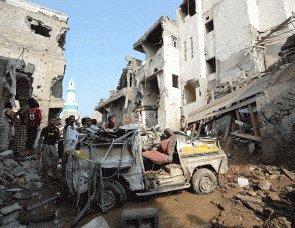
The Israeli military's recent operation targeting the Ali al-Tahir Heights in southern Lebanon marks a significant escalation in the ongoing conflict with Hezbollah. This action is not merely a tactical maneuver; it is a response to a string of geopolitical upheavals that have destabilized the region, notably following the assassination of Iran’s Supreme Leader Ali Khamenei.
Strategic Implications of the Attack
By engaging Hezbollah in southern Lebanon, Israel aims to weaken a key adversary by dismantling fortified positions that have long posed a threat along the border. The importance of this operation lies in its timing and context; the security environment in the region has deteriorated sharply amidst broader conflicts involving Iran. As military confrontations intensify, such actions reflect a shift in Israeli defense policy, emphasizing offensive tactics to preemptively neutralize threats.
Market Reactions and Predictions
The developments have not gone unnoticed by markets, which are interpreting the increased military activity as a signal of heightened security risks. Following these events, prediction markets have experienced fluctuations regarding the potential for Israel to close its airspace completely by July 31. The volatility in these odds illustrates the uncertainty among investors and traders, who are weighing the potential for increased military engagements against possible diplomatic resolutions.
Future Monitoring and Considerations
Investors and analysts should closely monitor remarks from Israeli officials such as Transportation Minister Miri Regev and Defense Minister Yoav Gallant. Any communications concerning airspace policy changes may further influence market expectations. Additionally, broader developments within the Hezbollah-Israel conflict, including potential peace negotiations, could significantly impact both regional stability and financial markets. As these situations unfold, the likelihood of airspace closures and other security measures remains a crucial point of concern.