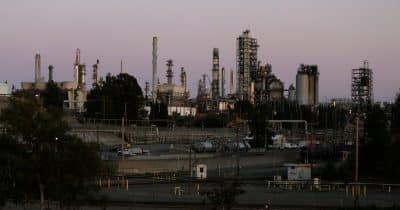
On July 6, 2026, a significant escalation in the ongoing conflict between Ukraine and Russia occurred when Ukraine successfully executed a drone strike on the Omsk oil refinery, the largest refinery in Russia. This strategic facility accounted for approximately 12% of the nation’s refining capacity, marking a critical blow to Russian fuel supply.
Importance of the Situation
The implications of this strike extend beyond immediate military concerns. With the Omsk refinery being off-line, Russia faces an exacerbation of existing fuel shortages. Prior to this incident, a series of attacks in June on at least 11 Russian energy facilities had already created noticeable supply disruptions. This incident further undermines Russia’s ability to maintain fuel production amidst ongoing hostilities.
- Omsk refinery was responsible for roughly 12% of Russia's refining output.
- The drone strike represents one of the deepest incursions into Russian territory by Ukraine during this conflict.
- Significant fuel shortages are expected to worsen within Russia as operational capacity declines.
The ramifications of these disruptions could also reverberate through global energy markets. Although Russia possesses large oil reserves, its capacity to refine crude oil into usable products like gasoline and diesel is increasingly at risk. This raises concerns regarding the supply and pricing of refined products on international markets.
A Fragile Energy Landscape
This attack is part of a broader trend, as Ukrainian forces have intensified their operations targeting Russian energy infrastructure throughout 2026. Earlier strikes on facilities such as the Moscow Oil Refinery have already left which are expected to remain offline for extended periods, and the loss of Omsk adds to this precarious situation.
Governor Vitaly Khotsenko's confirmation of the attack signifies an unusual level of transparency from Russian officials, who have historically downplayed the extent of damage from Ukrainian strikes. This acknowledgment suggests a critical hit to Russian morale and operational capabilities.
Future Implications and Market Outlook
Looking ahead, the immediate market reaction could feature tightening in refined product markets if Russia's domestic supply challenges force it to redirect its focus away from exports. The global aspects of energy pricing will also be influenced by the prospect of reduced availability of Russian gasoline and diesel due to these operational setbacks.
Investors and analysts should closely monitor these developments as they may have significant implications for global fuel markets, especially if the conflict escalates further.
This material is for informational purposes only and is not financial advice.