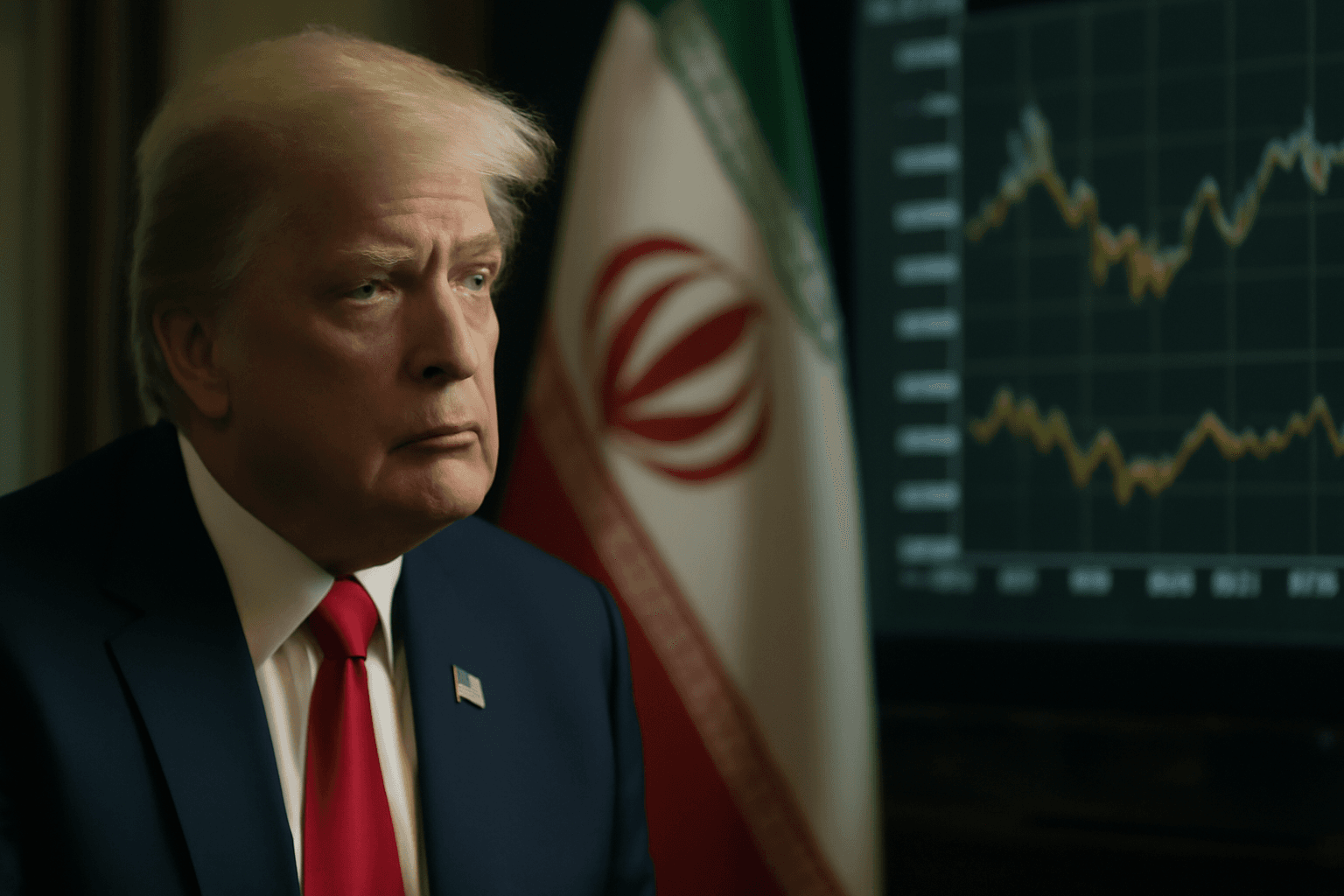
On July 8, 2026, US airstrikes targeted positions in Bandar Abbas, Iran, marking a significant escalation in geopolitical tensions that could have profound implications for the cryptocurrency market. The strikes were aimed at Iranian Revolutionary Guard Corps positions and were a response to recent attacks on commercial vessels in the strategically vital Strait of Hormuz. Given that this region plays a crucial role in global oil transportation, the implications extend beyond conventional markets to the volatile world of digital assets.
Understanding the Risks for Cryptocurrency Investors
The airstrikes, which are part of a broader trend in US-Iran relations, have the potential to shake the cryptocurrency landscape significantly. The US Central Command reported that over 80 locations were targeted in this recent operation, adding to a total of at least 96 US airstrikes since February 2026. This history of military actions indicates an escalating cycle of conflict and regulatory scrutiny.
- US airstrikes on Bandar Abbas: Over 80 targets hit
- Total US airstrikes since February 2026: At least 96
- Recent crypto liquidations: More than $1 billion during earlier tensions
Bitcoin and other cryptocurrencies often react sharply to geopolitical events, as seen earlier this year when Bitcoin fell below $73,000. The relationship between military actions and market volatility cannot be understated; traders in leveraged positions are particularly vulnerable to automated liquidations that occur in highly volatile conditions.
The Intersection of Military Actions and Regulatory Pressures
A less immediate but equally important concern for cryptocurrency investors is how these military actions can impact regulatory approaches to crypto transactions. The US has aggressively pursued Iranian-linked digital assets, viewing cryptocurrencies as potential means for sanctions evasion. As military tensions rise, we can expect an increase in regulatory scrutiny that may affect compliance costs and operational constraints for exchanges and market participants, ultimately influencing market sentiments.
Investors should keep a close eye on potential regulatory changes as tensions evolve. The cycle of military confrontations and financial repercussions is complex but critical for understanding how geopolitical risks may reverberate through digital asset markets.
What to Monitor Moving Forward
Looking ahead, there are several key factors that investors should consider:
- Potential for market dislocations due to high leverage and liquidity challenges
- Ongoing regulatory developments concerning cryptocurrencies and their enforcement against sanctioned entities
- General market sentiment and reaction to further escalations in the US-Iran situation
As we navigate through this uncertain landscape, the ramifications of geopolitical tensions will likely persist, affecting both market stability and regulatory oversight. Investors must remain vigilant and adaptive to these rapid changes.
This material is for informational purposes only and should not be considered as financial advice.