The recent exploit of KelpDAO, attributed to North Korean hackers, underscores a critical vulnerability within the LayerZero infrastructure, revealing systemic weaknesses in cross-chain communications in the DeFi ecosystem. With a staggering loss of $292 million due to a compromised oracle, this incident serves as a wake-up call for the cryptocurrency industry regarding the security of cross-chain protocols.
Why This Matters for the DeFi Landscape
The exploit targets LayerZero's Decentralized Verifier Network (DVN), which plays a crucial role in validating cross-chain messages. By utilizing social engineering tactics, the attackers breached the internal RPC nodes, demonstrating that securing decentralized networks goes beyond traditional code vulnerabilities. This breach not only drained 116,500 rsETH but also brings to light the inherent flaws in relying entirely on oracles for cross-chain transactions.
- Loss of $292 million in the KelpDAO exploit
- Drained 116,500 rsETH through LayerZero’s infrastructure
- Attack linked to the North Korean hacking group Lazarus
Chronicle Labs CEO, Niklas Kunkel, clearly articulated that interoperability protocols, like those implemented by LayerZero, are essentially oracle systems. As such, every instance of cross-chain communication exposes projects to potential vulnerabilities. This incident forces stakeholders to reconsider their trust in these systems, especially as single points of failure can lead to catastrophic results.
Rethinking the Approach to Cross-Chain Security
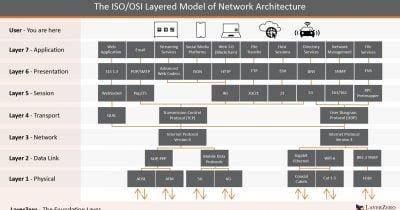
LayerZero’s architecture aimed to enhance security by separating oracles from relayers. However, the incident illustrates that the flexibility offered can lead to dangerous choices for projects that opt for minimal security configurations to minimize complexities or costs. The KelpDAO case highlights a significant concern: how to balance usability with adequate security measures.
In the aftermath, LayerZero Labs has committed to enhancing their security protocols and eliminating the use of single-DVN setups in future deployments. This shift is essential for restoring confidence in cross-chain transaction systems.
Looking Ahead: Implications for Investors and Developers
As the DeFi sector evolves, it will be vital for developers to adopt more rigorous security measures that mitigate the risks posed by oracles. Investors also need to remain vigilant about the levels of security implemented by the systems they engage with. Monitoring solutions that offer redundancy and transparency will be critical as the market adapts to these recent events. Ultimately, the question remains: how will the industry respond to this exploit in a way that reinforces user trust?
This material is for informational purposes only and does not constitute financial advice.