The recent fluctuations in rate hike predictions from Kalshi traders are raising significant questions about the direction of U.S. monetary policy. As of now, traders see a 54% likelihood of a Federal Reserve interest rate increase before the end of this year, a slight decrease from 56% the previous day. This shift highlights the ongoing uncertainty surrounding Federal Reserve decisions amidst mixed signals from policymakers.
Understanding the Implications of the Fed's Rate Fluctuations
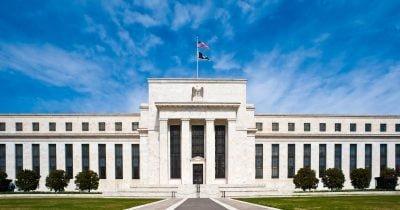
This situation is crucial for both investors and the economy at large. The Federal Reserve's June meeting minutes revealed a deep division among policymakers regarding future interest rate adjustments. Notably, many members felt that the federal funds rate should either remain within its current 3.5% to 3.75% target range or move above it:
- 54% chance of a rate hike this year
- 80% odds of a hike by 2028
- 62% probability of an increase prior to July 2027
Such divisions imply that while the Fed has not settled on a definitive course, the current inflationary trends and geopolitical concerns particularly those arising from conflicts in the Middle East are shaping the decision-making process. The personal consumption expenditures price index, the Fed's preferred inflation measure, has reached an annual rate of 4.1%, indicating heightened inflationary pressure that policymakers must consider.
Market Reactions and Future Predictions
Interestingly, a separate Kalshi market addressing potential rate cuts shows a significant bias against easing, with about a 76% chance that no rate cuts will occur this year. This statistic remained relatively unchanged even after the FOMC minutes were released, suggesting that traders are taking a cautious approach overall. They are not fully aligning their expectations with a rate hike this year either, which indicates a nuanced view of economic conditions.
What to Watch Going Forward
As the Federal Reserve prepares for its next policy meeting on July 28 and 29, analysts and investors should keep a close eye on emerging data on inflation and employment, as well as any further shifts in geopolitical stability. The outcome of this meeting could set the stage for future rate adjustments, significantly influencing the broader markets.
This material is for informational purposes only and should not be considered financial advice.