The recent report by BeInCrypto Intelligence unveils a striking contrast in the tokenized real-world asset (RWA) market. On one hand, the market has a valuation exceeding $60 billion, yet a staggering amount of this value remains stagnant or isolated within various blockchain networks.
Concentration and Dormancy: A Market Paradox
Analyzing over 7,000 products across 12 asset classes, the report reveals that a mere 62 assets account for a significant 88% of the market value. Even more telling, five specific products constitute nearly half of the total market. This concentration indicates potential vulnerabilities, as market fluctuations affecting these few assets could lead to significant ripple effects across the tokenized ecosystem.
The activity gap is profound, with 1,289 tokenized assets valued at more than $100,000, of which 910 recorded no weekly transfers, amounting to a dormant value of $32.9 billion. This raises critical questions about the actual utility of these tokenized assets. If they sit idle, what does that say about the broader acceptance and functionality of tokenization as a mainstream financial tool?
Insights from Industry Leaders
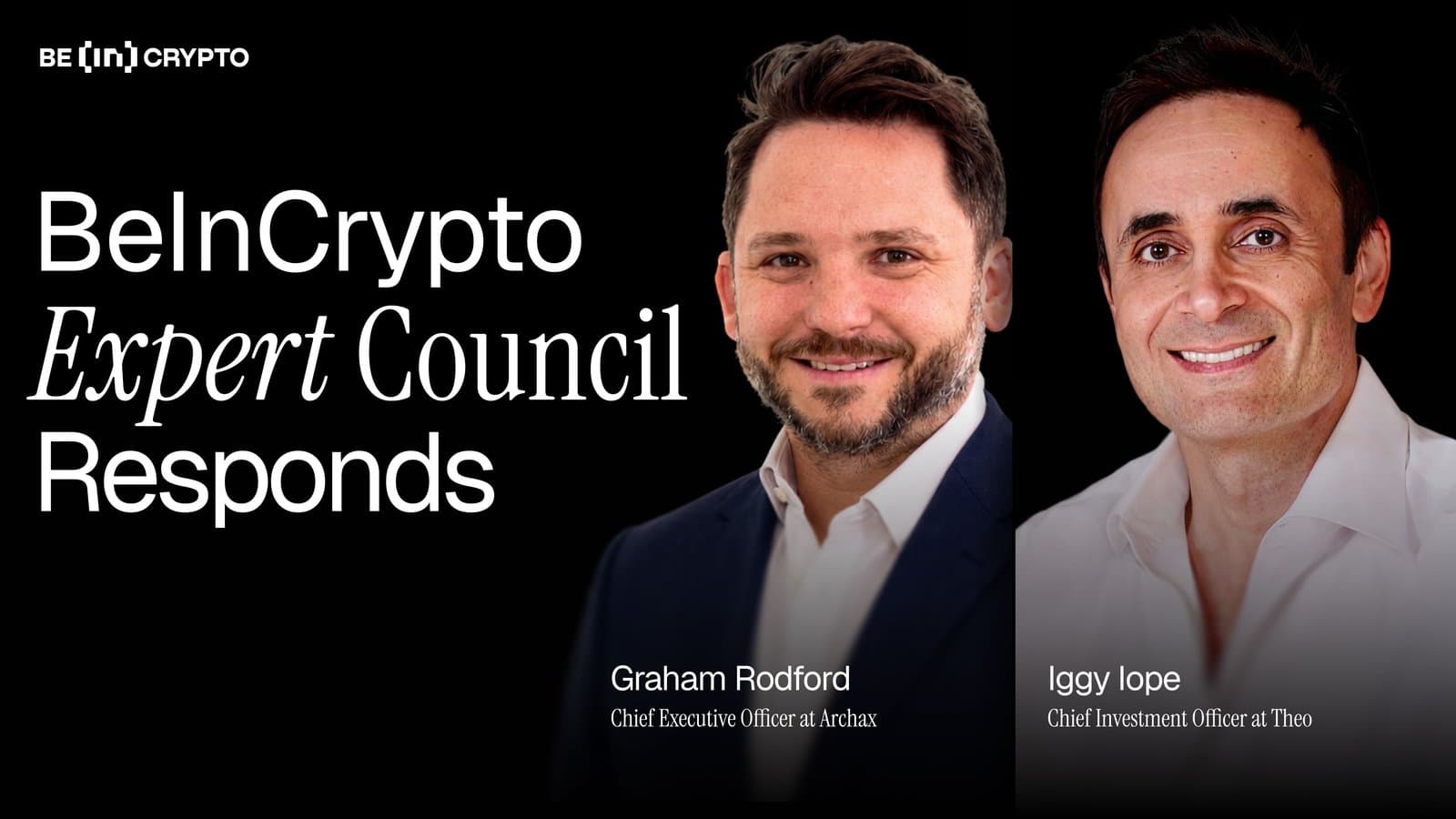
Industry experts offer differing perspectives on these findings. Graham Rodford, CEO of Archax, highlights the hurdles posed by blockchain fragmentation, which complicates institutional adoption. He notes that asset managers are often left grappling with a fundamental question: which blockchain to choose? The call for a regulated layer that transcends individual networks suggests a need for a more cohesive framework that could enhance operational efficiency and trust among institutional players.
Iggy Io, CIO of Theo, argues that the dormant assets don’t signify failure but rather a market that has yet to fully mature. He critiques the concept of “tokenization theater,” where assets are merely represented on-chain without real-world utility. The next phase of tokenization should focus on enabling these assets to function effectively in financial markets, particularly in decentralized finance (DeFi).
Regulatory Implications and Market Structure
Fabian Dori from Sygnum Bank warns of the risks associated with regulatory fragmentation, where different jurisdictions may create isolated liquidity pools. This could significantly hinder the growth and functionality of the tokenized asset market. A compliant interoperability layer could help maintain a unified market, reducing the risk of liquidity issues that could arise as regulations evolve.
As the market continues to grow, the lessons from this analysis are clear: stakeholders must prioritize making tokenized assets operationally viable, fostering an environment where these digital representations can engage actively in the market. Only then can we hope to bridge the significant gaps that currently exist in the tokenization landscape.
This article is for informational purposes only and should not be considered financial advice.