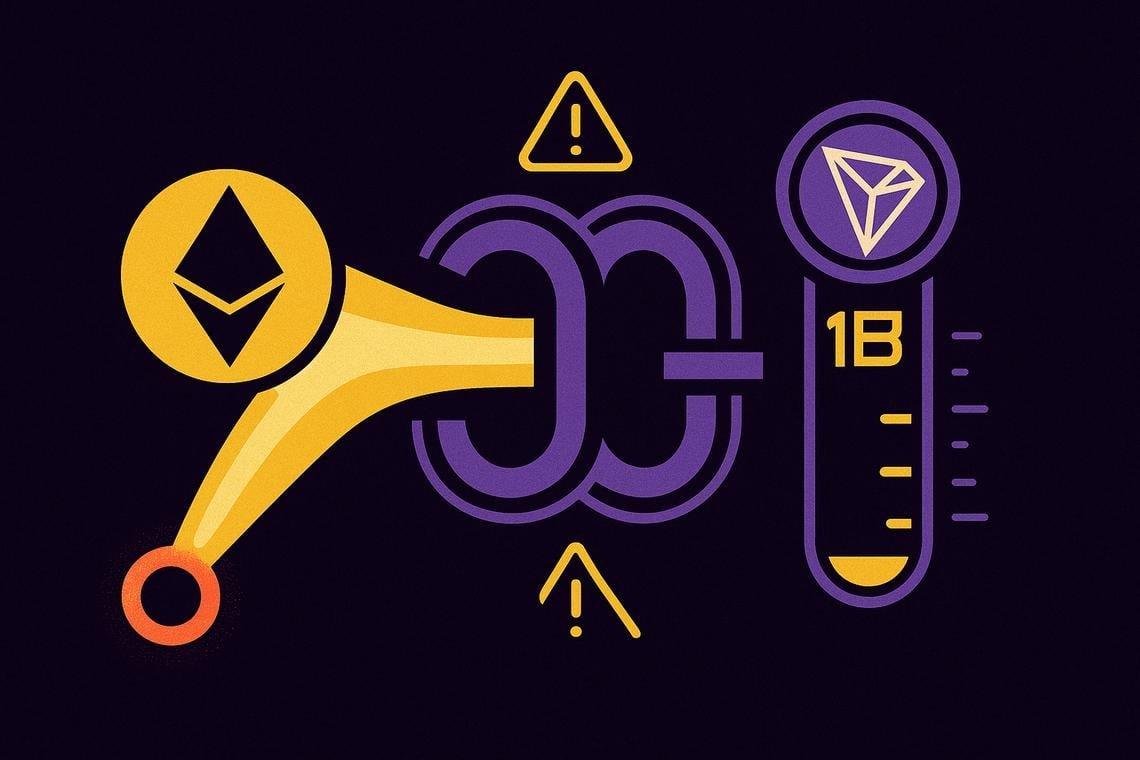
On July 7, 2026, Tether executed a significant burn of $2.5 billion worth of USDT on the Ethereum network, marking its largest single reduction in stablecoin supply since February of the same year. This decision coincided with Binance’s USDT balance on the Tron network dropping below $1 billion, the lowest recorded level observed since December 2025. Together, these developments raise important questions about the liquidity dynamics of stablecoins and their impact on the broader crypto market as we move further into 2026.
Why This Is Significant
Understanding the implications of Tether’s substantial burn and the concurrent decline in Binance’s USDT reserves is crucial for market observers and investors. Unlike traditional asset destruction, USDT burns often relate more closely to treasury management and liquidity adjustments across different blockchains.
- The USDT burn of $2.5 billion is Tether's largest since February 2026.
- Binance's USDT holdings on Tron fell to approximately $806 million, below the critical $1 billion level.
- This drop represents Binance’s lowest USDT balance on this network since late December 2025.
While such a dramatic burn could suggest reduced demand for USDT, it may simply indicate that capital is migrating between blockchains or institutional players are redeeming tokens on the Ethereum side. Investors should note that large burns do not automatically correlate with declining overall interest; rather, they may show shifts in market liquidity or changes in cross-chain activity.
Implications for Market Observers
The simultaneous shifts in USDT liquidity have raised eyebrows among analysts who argue that these trends deserve close observation. The severity of Tether's burn, breaking a five-month period of relative stability, could hint at institutional adjustments or broader market sentiments as we head into mid-2026. Additionally, the decline in Binance's USDT balance might reflect changing strategies among traders or shifts in market confidence in stablecoins.
Looking Ahead
With the Tether burn and Binance’s liquidity issues, market stakeholders must remain vigilant. Future actions by Tether regarding supply management will likely influence market sentiment and trading behaviors. Additionally, as regulatory pressures around stablecoins evolve, Tether’s strategies and their potential impacts on liquidity could be groundbreaking for both investors and the entire crypto landscape. Investors should also pay attention to any patterns emerging in cross-chain activities to better gauge the overall health of the stablecoin sector.
This material is for informational purposes only and does not constitute financial advice.