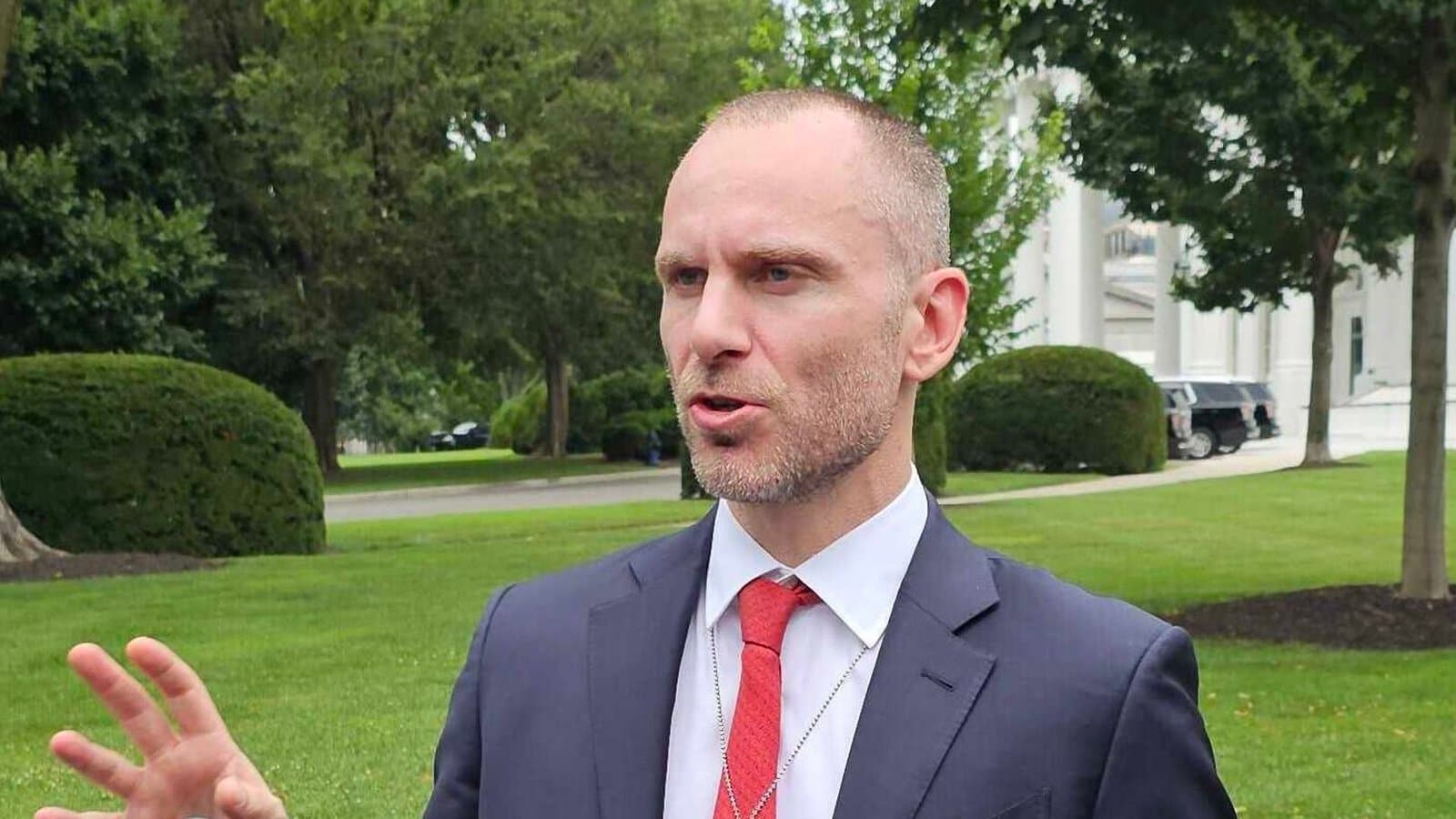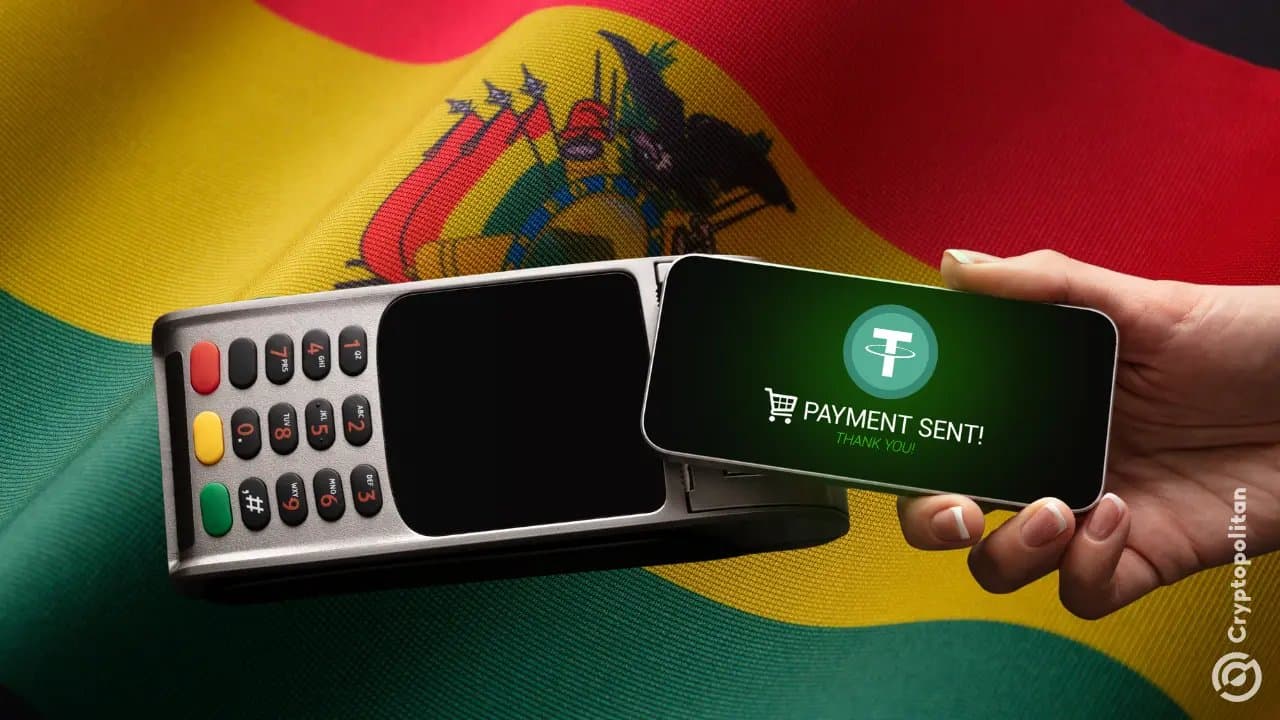
The Bolivian government's potential recognition of Tether's USDT as an official payment method, alongside the local boliviano and the US dollar, signals a significant shift in the country's approach to digital currencies. Economy Minister José Gabriel Espinoza's comments regarding this development highlight an important trend: the increasing adoption of stablecoins in emerging markets facing economic volatility.
As Bolivians confront a shortage of US dollars, many have turned to USDT to safeguard their savings, facilitate imports, and send remittances more efficiently. This shift is crucial as it acknowledges the public's growing reliance on cryptocurrency, particularly in regions where traditional banking services may be scarce or insufficient. The move to consider USDT as an official payment option indicates the government’s recognition of crypto's role in the economy, which could usher in a new era of financial inclusion.
Regulatory Challenges Ahead
Before any formalization, the Bolivian government must navigate significant regulatory challenges, particularly concerning anti-money laundering standards. The central bank's previous ban on crypto transactions was lifted in June 2024, suggesting a willingness to engage with cryptocurrency frameworks. However, for USDT to gain legal status, a robust regulatory framework must be established, ensuring that it can operate safely and transparently within the existing financial system.
Currently, USDT does not possess any official legal-tender status, meaning that an official endorsement by the government would not only need to address concerns about fraud and money laundering but also ensure consumer protection. Establishing clear guidelines and rules could pave the way for a more structured cryptocurrency market in Bolivia, balancing innovation with security.
Implications for Financial Systems
Bolivia’s consideration of integrating USDT into its payment system could inspire other countries facing similar economic challenges, especially in Latin America, to reevaluate their stance on cryptocurrencies. The central bank’s reporting indicates a remarkable increase in crypto transaction volumes from $46.5 million to $294 million in just over a year emphasizing the growing demand for digital assets in the region.
If the Bolivian government successfully implements USDT, it could fundamentally change how citizens interact with their economy, potentially improving transaction efficiency and expanding access to financial services. This could create an environment where digital assets are more regularly used in daily transactions, which may attract further investment in technology and infrastructure to support a thriving crypto ecosystem.
This article is for informational purposes only and should not be considered financial advice.