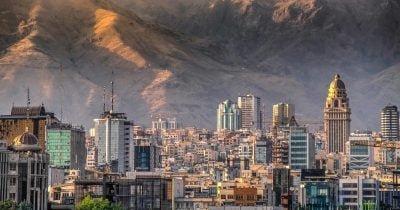
A recent protest in Tehran, where retirees gathered to voice their demands for better living conditions and recognition of their rights, shines a light on the ongoing economic turmoil in Iran. This demonstration is not isolated; it is a part of a larger wave of unrest that has engulfed the nation since late 2025. The Iranian currency has depreciated sharply, leading to rampant inflation that has eroded the purchasing power of many citizens, particularly vulnerable groups like retirees.
This protest underscores the growing dissatisfaction with the government’s economic policies and reflects deeper societal grievances. Initially ignited by economic concerns, the protests have evolved to include broader calls for human rights and political reforms within the Islamic Republic. The retirees' insistence on increased pensions and a formal acknowledgment of their rights points to the sustained economic pressures that many Iranians are experiencing. Such sector-specific protests often serve as a bellwether for wider discontent, suggesting that the roots of dissatisfaction are widespread and systemic.
As the situation develops, the protests are likely to apply further pressure on the regime, raising questions about its stability and longevity. Observers are particularly focused on any potential shifts in government responses or escalations in public dissent. Key indicators to watch include any significant defections from government ranks or security forces, which could signal a growing momentum for change.
The international community's response will also be crucial. Sanctions or support for opposition movements could influence both domestic sentiments and economic conditions. Moreover, domestic policy changes in response to the protests could have immediate and lasting impacts on the economy and the political landscape. The delicate balance between civil unrest and governmental control could shape the future trajectory of Iran's political environment.
In light of the recent protests, it is clear that the issues at hand extend far beyond mere economic dissatisfaction. The collective action by retirees illustrates a potent mix of economic challenges and a yearning for rights that could lead to significant political consequences. Observers of the Iranian situation should continue to monitor these developments closely for their potential repercussions on stability within the region and the broader geopolitical landscape.
This material is informational and not financial advice.