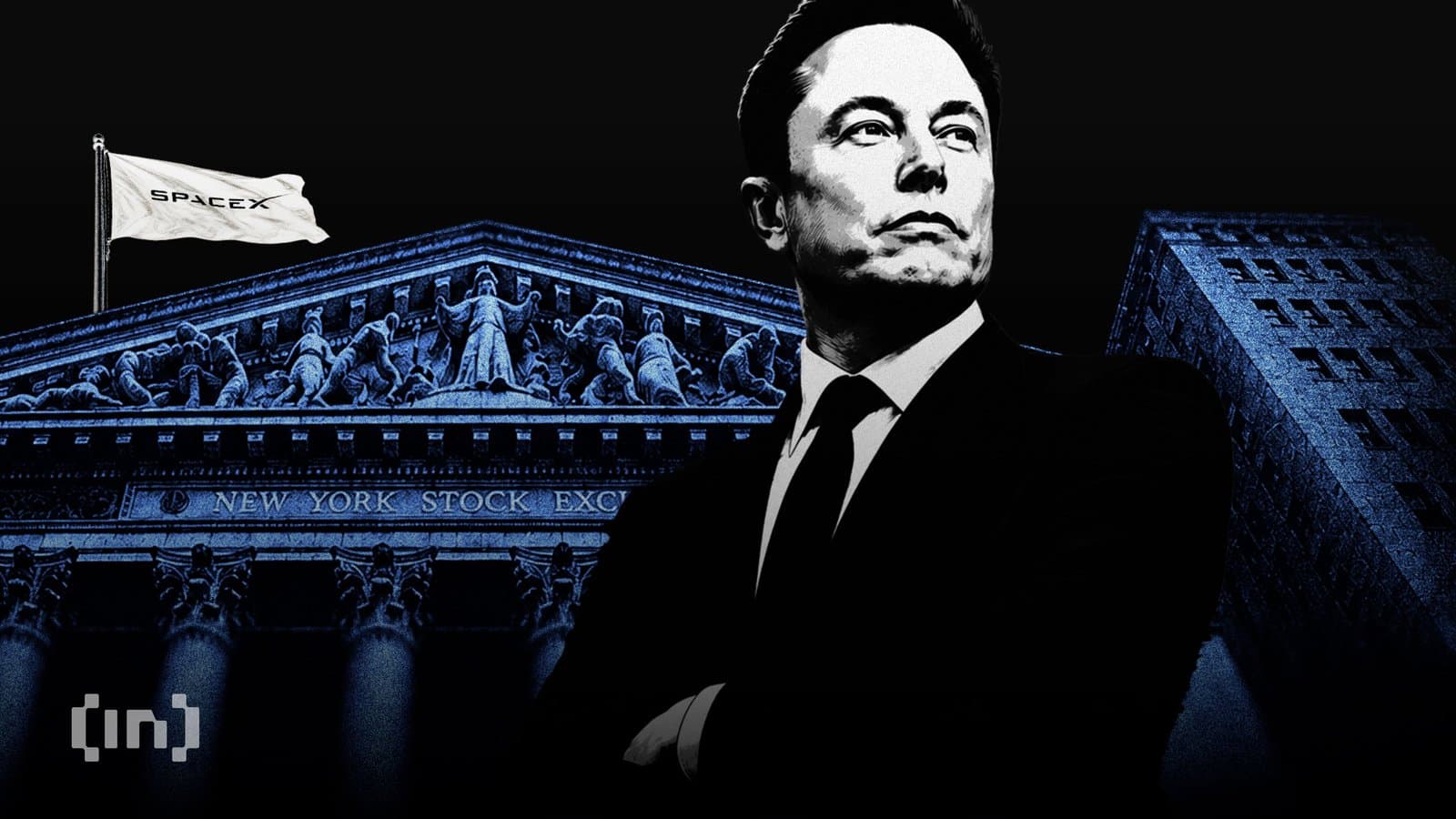
SpaceX shares have fallen below their initial public offering price of $135 this week, sliding from a peak above $200 that followed the company’s record-setting Nasdaq debut. This decline means the stock has lost about one-third of its value from the recent high. Such a rapid retreat highlights the disparity between market enthusiasm at IPO and investor caution as reality sets in.
IPO Hype Versus Market Reality
Priced at $135 per share in June, SpaceX’s IPO raised $75 billion, marking the largest IPO ever recorded. The debut generated massive investor excitement, propelling the price beyond $200. However, the recent selloff suggests early optimism is giving way to skepticism, especially as short sellers have aggressively increased their bets against the company. Short interest surged from roughly 40 million shares to approximately 185 million shares over three weeks, representing nearly 29% of the tradable float and translating into about $25 billion in bearish wagers.
Elon Musk’s Ambitious Valuation Predictions
Elon Musk dismissed concerns about the stock’s decline, asserting on social media that SpaceX will eventually be worth more than Earth itself if the company achieves its undefined goals. This claim builds on the idea that space holds almost limitless resources compared to Earth’s roughly $600 trillion in material wealth. While Musk’s grand vision aligns with his broader narrative on abundance, investors face uncertainty because these aspirations lack a clear timeline or specific milestones, adding fuel to market volatility.
Technical Patterns and Upcoming Catalysts
From a technical perspective, SpaceX shares are trading near a level indicated by a falling wedge pattern, which may signal a potential rebound toward $158. However, August share unlocks will allow insiders to sell shares for the first time since the IPO, potentially increasing the supply and exerting further downward pressure. also SpaceX recently postponed a Starship test flight after engine ignition failures, introducing near-term operational risks that could affect investor confidence.
This material is informational and not investment advice.