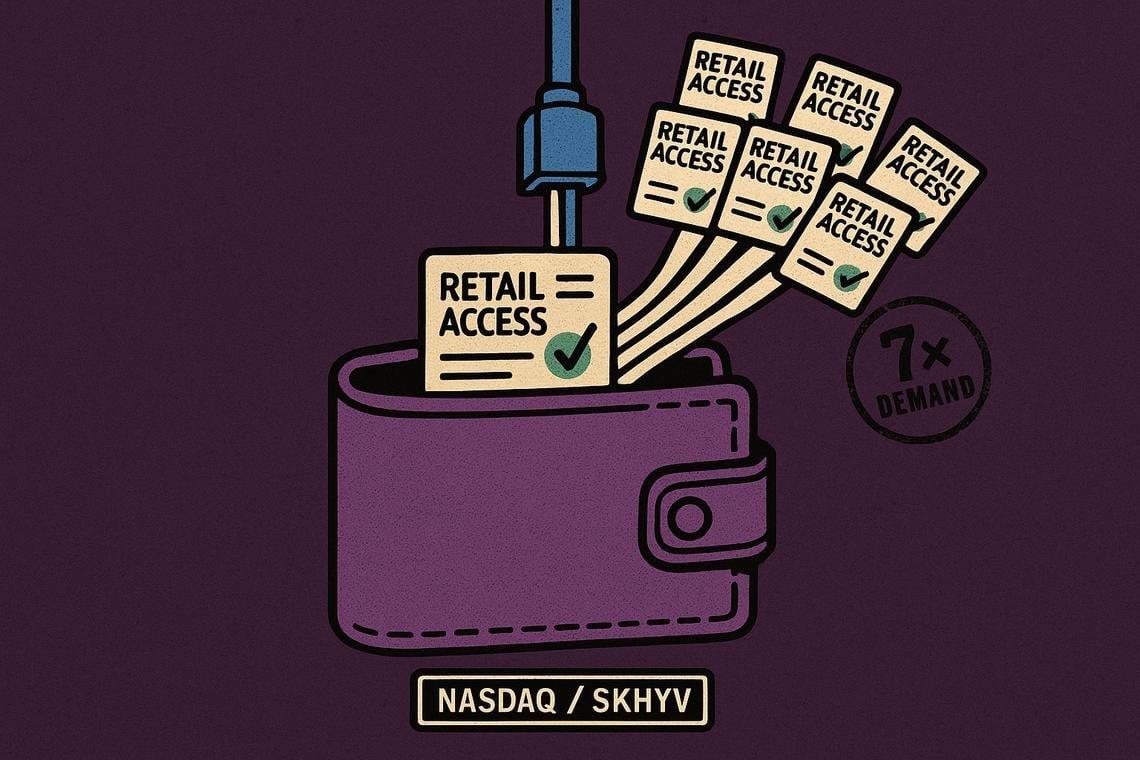
The recent debut of SK Hynix on the Nasdaq, which raised $26.5 billion through American Depositary Receipts, serves as a notable indicator of market dynamics not only within traditional finance but also across the crypto landscape. The overwhelming demand for SK Hynix shares, seven times the available supply, reinforces the growing investment appetite as well as the company's pivotal role in the AI-driven memory chip market.
As the world's second-largest memory chipmaker, SK Hynix's entry into the US market has strategic significance, particularly as it coincides with a surge in demand for memory solutions tailored for AI applications. With shares priced at $149, they jumped over 13% on their first trading day, settling at $168.01. Such meteoric rises indicate not only investor confidence in SK Hynix but also a broader recognition of the company’s critical position in supplying chips for AI technologies, notably utilized by companies like Nvidia.
Bridging Traditional and Tokenized Markets
Interestingly, hours after the IPO, the crypto sector reacted swiftly. Wallet in Telegram, with its vast user base, began offering access to tokenized versions of SK Hynix shares through the xStocks platform. This development highlights an essential shift in the integration of traditional financial instruments with blockchain technology. The ability for tokenized equity to democratize access to shares, particularly for retail investors, indicates a significant evolution in financial practices, breaking down barriers that have historically limited participation in oversubscribed IPOs.
Platforms supporting this tokenization, such as Solana through Backpack and Ondo Finance, aim to provide retail investors greater access to tradable assets like SK Hynix shares. This movement suggests that tokenization may soon become a standard feature in retail investment strategies, with an opportunity for investors to diversify their portfolios beyond traditional equities.
Implications for Future Investments
The response to SK Hynix's IPO and subsequent tokenization could set a precedent for future capital raises. With retail investors historically receiving limited allocations in oversubscribed offerings, the convergence of crypto and traditional markets is poised to reshape how equity is accessed and traded. This represents a transformational moment for the financial sector, potentially increasing liquidity and engagement among retail investors.
As companies venture into cryptocurrency-linked equity offerings, the impact on market dynamics can't be underestimated. Investors should remain vigilant, as this trend could accelerate the adoption of digital assets in wider financial contexts, further blending the lines between traditional and decentralized finance.
This material is informational and should not be considered financial advice.