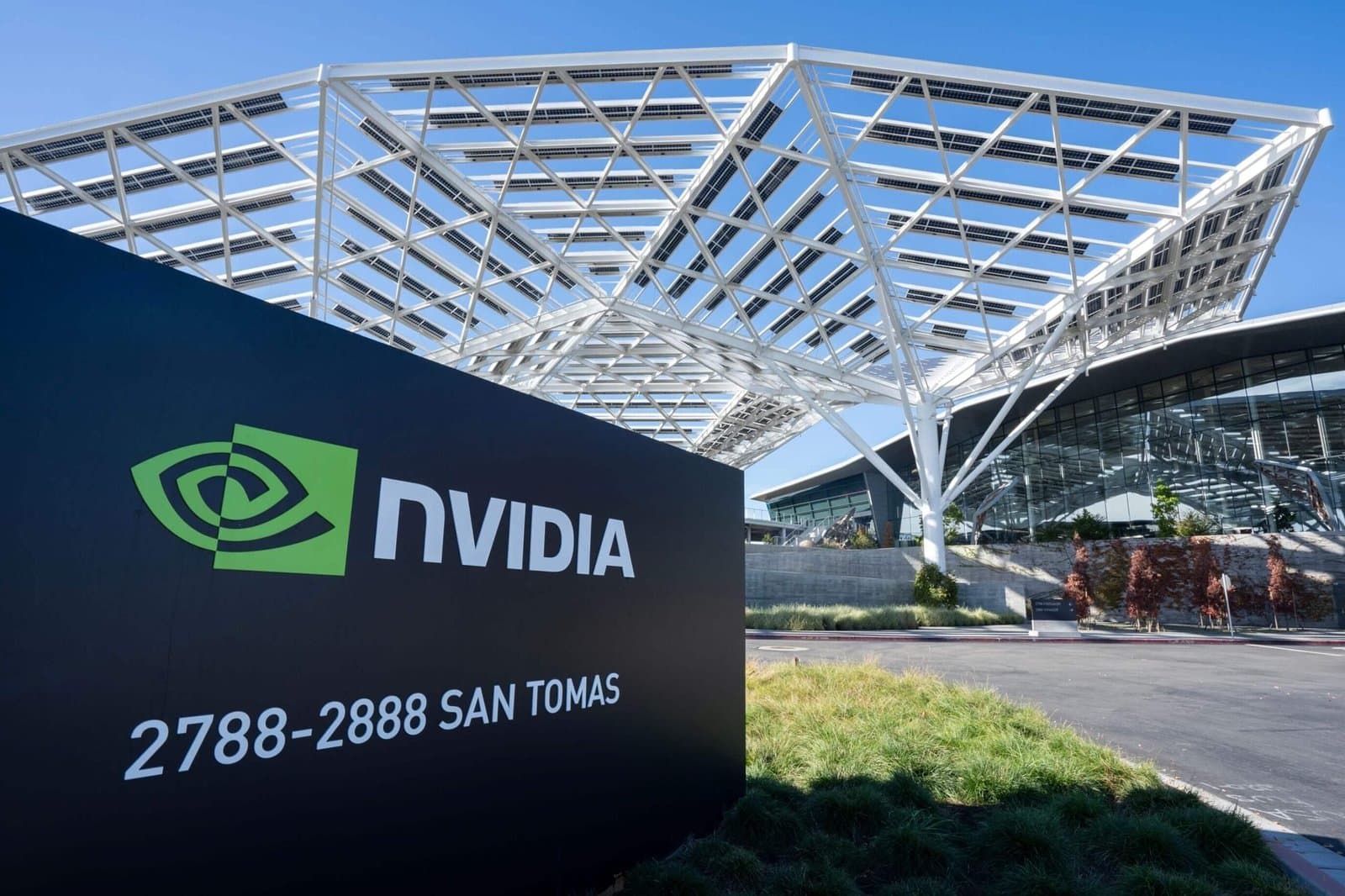
Semiconductor stocks such as Nvidia, AMD, and Micron staged a notable rebound on Monday following last week’s sharp selloff. This recovery contrasts with concerns that the AI chip demand might be waning, suggesting investors see the dip as a temporary pullback rather than a structural weakness. Nvidia’s recent move to increase its stake in AI cloud infrastructure firm Nebius Group further reinforces this optimism, signaling confidence in expanding AI infrastructure needs.
Semiconductors Leading the AI Trade Comeback
Technology stocks regained footing as buyers returned ahead of a key earnings week, with Nvidia, AMD, and Micron posting gains. The market’s reaction indicates that despite recent volatility, ongoing investments by cloud providers and major tech companies into AI infrastructure remain solid. Analysts caution, however, that sustaining this rally hinges on upcoming earnings reports and future guidance confirming strong AI-related revenue streams.
Nvidia’s Strategic Bet on AI Infrastructure
Nvidia’s disclosed increase in its ownership of Nebius Group, a cloud services company focused on AI workloads, highlights a strategic push to deepen its foothold in AI infrastructure. This is not just a financial investment but a signal that Nvidia anticipates continued growth in demand for AI processing capabilities. Nebius shares surged on the news, reflecting investor confidence in Nvidia’s vision and the broader AI ecosystem’s expansion.
External Pressures: Oil Prices and Broader Market Sentiment
Meanwhile, Brent crude prices held above $90 per barrel amid fresh Middle East geopolitical tensions, keeping inflation concerns alive. Elevated oil prices have a direct impact on operational costs across industries, including technology and automotive sectors, potentially squeezing profit margins. This dynamic poses a risk for the Federal Reserve’s plans to ease interest rates, creating a complex backdrop for investors.
In the automotive sector, General Motors outperformed expectations by beating earnings and raising its full-year profit outlook, buoyed by improved pricing and operational efficiency despite softer vehicle sales in North America. GM’s results helped lift sentiment broadly, underscoring the importance of near-term profitability even as the company invests heavily in electric vehicles and software development.
General Motors’ performance and Nvidia’s strategic moves underline how corporate earnings and investments interplay with macroeconomic factors to shape market trajectories.
Alphabet’s Earnings Anticipated as AI Sentiment Barometer
All eyes now turn to Alphabet’s upcoming earnings report, which will be key for gauging AI investment sentiment across the tech sector. Investors are keen to assess whether Alphabet’s substantial AI spending translates into stronger revenue growth, improved profitability, and expanded advertising demand. Key areas such as Google Cloud, Gemini AI, and enterprise AI adoption will be under scrutiny, with results likely to influence market sentiment far beyond Alphabet itself.
The tech sector's direction this week could pivot on Alphabet’s numbers, reflecting the broader stakes tied to AI’s commercial viability.
This material is informational and not financial advice.