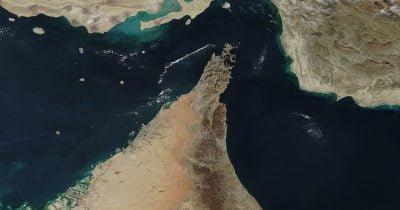
The recent modest gains on the NASDAQ, which closed up by 66.87 points to reach 25,885.56, highlight a complex interplay of market sentiment amidst escalating geopolitical tensions between the United States and Iran. Despite these tensions, President Trump has indicated a preference against full-scale military engagement, yet he warned of severe repercussions should Iran act against maritime shipping routes. Iran has responded with threats to block the Strait of Hormuz, a vital maritime passage for global oil transport, which heightens uncertainties within energy markets.
Understanding the Implications of Geopolitical Tensions
The current situation is significant for investors as it raises the specter of disruption in one of the world’s most critical shipping lanes. Several key takeaways emerge from these developments:
- The market is increasingly concerned about the potential closure of Iranian airspace, with escalating probabilities indicated by market pricing.
- Trump's rhetoric, combined with Iran's assertive stance, lays a foundation for scenarios that could severely disrupt not only airspace but also energy supply routes.
- Market sentiment has shifted notably, with heightened fears of airspace restrictions anticipated by the end of July and into August.
This backdrop of energy market volatility is poised to influence investment strategies, as heightened tensions could lead to fluctuations in oil prices and broader market ramifications.
Watching Developments in the Strait of Hormuz
As events unfold, a critical focus for market participants will be the communications from Iran's Civil Aviation Organization regarding any imminent airspace restrictions. Additionally, signals from U.S. and Iranian officials about potential de-escalation will be closely monitored. In particular, developments around the Strait of Hormuz will remain vital, as any disruption could significantly elevate oil prices, with broader implications for global economic stability.
Investors should also be especially vigilant leading up to the end of July, as the likelihood of significant geopolitical shifts could dramatically affect both air traffic and energy pricing strategies.
This material is for informational purposes only and should not be considered financial advice.