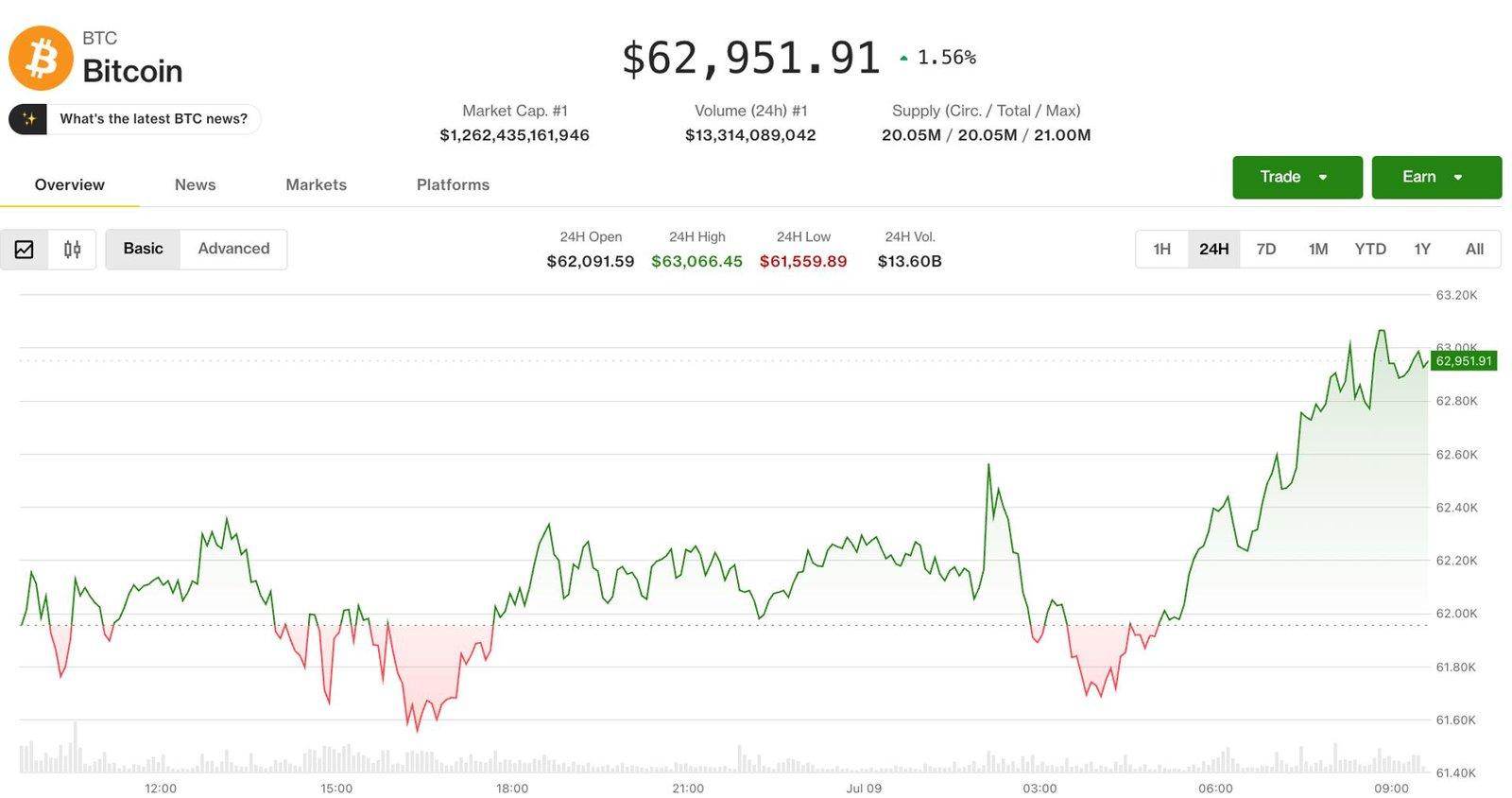
The third quarter of 2026 has revealed concerning trends within both the bitcoin ETF sector and the private credit market, highlighting the interconnectedness of liquidity challenges across investment vehicles. With private credit fund redemption requests reaching unprecedented levels, the broader implications for assets like bitcoin can't be ignored.
Why This Matters for Investors
Understanding the dynamics at play offers crucial insights into the broader financial landscape that could influence investor behavior and market sentiment. As redemption requests in the $2 trillion private credit market skyrocketed to $15.6 billion in the second quarter, this surge not only eclipses the outflows from U.S.-listed spot bitcoin ETFs but also signifies a greater underlying liquidity risk that could destabilize various segments.
- Redemption requests in private credit exceeded standard quarterly caps at 10 out of 16 business development companies (BDCs).
- Bitcoin price declined approximately 14% in Q2, reaching below $60,000.
- ETFs faced record outflows of nearly $5 billion during the same period.
The simultaneous withdrawal of funds from bitcoin ETFs, particularly the notable $4 billion outflow in June attributed to BlackRock’s IBIT, suggests a marked shift in investor priorities, steering capital away from crypto and towards more traditional assets or promising opportunities like AI investments. This capital rotation indicates a potential end to the bullish sentiment that has previously characterized bitcoin trading.
Future Implications and Market Signals
With liquidity stress manifesting in both the cryptocurrency and private credit arenas, investors are increasingly concerned about the overall financial stability. The fact that average redemption requests rose to 10.3% of shares from 9.7% in the previous quarter illustrates a growing urgency among investors looking to liquidate their holdings, highlighting potential difficulties in market absorption of significant sell-offs.
Moreover, macroeconomic considerations further complicate the situation. The selloff in bitcoin has been interpreted by analysts like Strive CEO Jack Mallers as early signs of a broader liquidity crunch in fiat systems, given that bitcoin is often first to respond to shifts in monetary policy, treasury activities, and funding conditions.
What's Next for the Market?
Investors should monitor the forthcoming quarterly reports for private credit and ETF markets closely. The persistence of high redemption requests could challenge market stability, potentially exacerbating volatility in bitcoin and other cryptocurrencies. Furthermore, any indications of macroeconomic shifts may prompt further re-evaluation of risk strategies among institutional and retail investors.
Disclaimer: This material is for informational purposes only and should not be construed as financial advice.