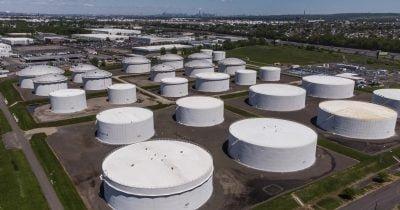
The United States' Strategic Petroleum Reserve (SPR) has reached alarming levels, dropping to 340.3 million barrels as of June 12, 2026. This marks the lowest point since 1983, a situation primarily driven by increased tensions with Iran and consequential disruptions in oil supply, particularly through the crucial Strait of Hormuz. Since the onset of the US-Iran conflict in late February 2026, the SPR has seen a significant reduction of around 75 million barrels, equating to an 18% decrease. This depletion not only highlights the precarious state of America's emergency reserves but may also have broader implications for the financial markets, including cryptocurrencies.
Why This Situation is Critical for Investors
The SPR was established in 1975 as a strategic buffer against geopolitical disruptions. Now, with the reserve at less than half its capacity, the US faces heightened risks in managing its energy security. The implications extend beyond oil markets, impacting investor sentiment across various asset classes. Key figures to note:
- The SPR fell by 75 million barrels since February.
- The current capacity is just 340.3 million barrels, compared to its full capacity of over 700 million barrels.
- Overall US oil inventories, including commercial stocks, have fallen to their lowest combined level since 2023.
These developments present a complex backdrop for cryptocurrencies, particularly Bitcoin. Historically, Bitcoin has demonstrated an inverse correlation with oil price fluctuations. As oil prices surged due to supply concerns, Bitcoin has tended to move in the opposite direction, positioning itself less as a speculative asset and more as a hedge against inflation driven by energy costs. This correlation breakdown can stimulate uncertainty, leading to volatile swings in digital asset valuations.
The Intersection of Traditional and Digital Reserves
Interestingly, the idea of a Strategic Bitcoin Reserve, introduced under the Trump administration, offers some philosophical context. Established in March 2025, this initiative highlights the potential value of holding reserves of scarce digital assets analogous to physical commodities like oil. As the SPR depletes, the debate on the viability of maintaining a digital asset reserve becomes increasingly pertinent. The inherent differences between oil and Bitcoin, however, present unique challenges; while oil can be strategically released in crises, Bitcoin remains a digital commodity unable to fulfill an immediate utility in energy terms.
What to Monitor Moving Forward
Investors and analysts alike should keenly observe the developments surrounding the reported ceasefire agreement between the US and Iran. Its sustainability could significantly impact oil prices and, consequently, Bitcoin's market behavior. Furthermore, the rising tension in energy supply continues to expose vulnerabilities across various asset classes, creating an environment where unexpected correlations and market movements could arise.
This material is for informational purposes only and should not be considered financial advice.