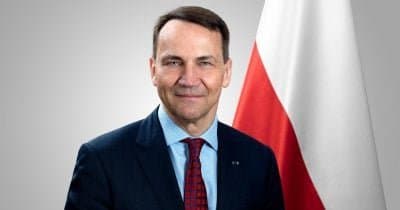
Amidst current tensions in Eastern Europe, Poland’s Foreign Minister Władysław Sikorski has emphasized that Russia currently lacks the military capability to launch an attack on Poland. This assertion resonates with the ongoing strategic dynamics between Russia and NATO, especially given the context of Russia's sustained military focus on Ukraine.
Sikorski's comments reflect not just a national security assessment but indicate an evolving regional security landscape. Poland has been proactive in fortifying its defenses, responding to both the visible and potential threats posed by Russia. The acknowledgement of Russia's diminished capacity to expand its military campaigns could foster a sense of security among NATO members, reinforcing the alliance's collective defense posture.
The Implication of Russia’s Declining Military Efficacy
Poland's evaluation of Russia's military strength suggests a meaningful shift in perceptions regarding the Kremlin's aggressiveness. The acknowledgment of Russia's struggles an assessment echoed by US intelligence points to a critical inflection point in Eastern European geopolitics. The Ukrainian military's resilience against Russian advances has not only altered the war’s trajectory but has also changed how bordering nations, particularly Poland, view their defense needs.
Importantly, Sikorski warned of potential provocations by Russia aimed at testing NATO's resolve. The alliance's response to these provocations will be crucial in maintaining stability in the region. The ongoing enhancement of NATO's eastern defenses, alongside Poland's own military measures, can be seen as both a deterrent strategy and a cautionary tale against complacency.
Monitoring Future Developments in Eastern Europe
As the situation unfolds, close attention will be paid to any demonstrative actions from Russia along NATO’s borders. Observers will be looking for indicators that could signify a strategic shift from Russia, particularly in light of ongoing military operations in Ukraine. Any escalation especially regarding military exercises or increased troop movements will undoubtedly provoke reactions from NATO, further influencing the security dynamics in Eastern Europe.
In this context, the waning odds for Russia to capture strategic territories like the Donetsk Oblast also suggest a reevaluation of market expectations regarding Russia's ability to engage successfully in military offensives. These developments could recalibrate perceptions of regional security, potentially leading to a more fortified NATO presence if provocations occur.
This material is informational and does not constitute financial advice.