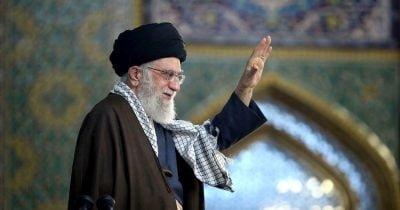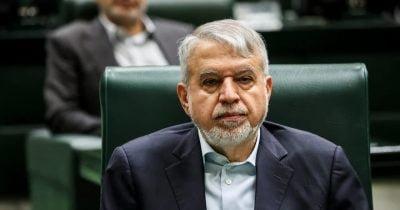
The recent attendance of Iranian President Masoud Pezeshkian at the state funeral of Supreme Leader Ali Khamenei marks a pivotal moment in Iran's political landscape. Khamenei's death, attributed to an Israeli airstrike earlier this year, has set the stage for a leadership transition that many analysts are closely monitoring. Pezeshkian’s participation in the funeral signals a potential continuity in leadership, an important factor as the nation navigates its future.
Understanding the Significance of This Development
The dynamics of Iranian leadership during this transitional phase are crucial for both domestic and international observers. Pezeshkian’s presence at the funeral is interpreted as a stabilizing factor amid uncertainties arising from Khamenei's absence. This event not only reflects the immediate response of Iran's political elite but also serves as an indicator of the broader implications for the Iranian populace and international markets. Key points to note include:
- Pezeshkian's position within the Interim Leadership Council suggests an organized approach to leadership continuity.
- Market prices indicate a growing confidence that a stable head of state will emerge by the end of 2026.
- Current predictions favor Mojtaba Khamenei, son of Ali Khamenei, as a likely successor, with market pricing supporting this scenario.
If Mojtaba does assume leadership, it could reinforce the existing power structure and alleviate some market concerns regarding instability. However, the potential for dissent or alternative political factions remains a critical consideration for analysts.
Looking Ahead: Implications for Investors
As investors keep a keen eye on Iran's political unfolding, several key factors will influence market reactions:
- Official statements from Iran’s Assembly of Experts regarding the leadership transition.
- Endorsements from the IRGC on the formation of a permanent leadership council.
- Global recognition and economic stability as signs of effective governance and market predictability.
These elements could significantly shape investor sentiment in both Iranian markets and beyond. For many, the resolution of leadership questions in Iran will have far-reaching implications for geopolitical stability and economic relationships.
Future Events to Monitor
In the weeks to come, analysts will be watching for announcements detailing the decisions made by the Assembly of Experts regarding the transitional leadership structure. Any shifts in the military’s stance or endorsements could reshape expectations in the market and among international political players. Moreover, how Iran manages its international relations amidst these changes will be critical for predicting future market performance.
This article is for informational purposes only and does not constitute financial advice.