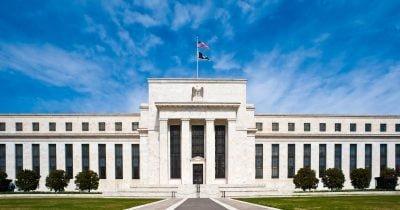
The recent minutes from the Federal Reserve have indicated a significant shift in the committee's stance regarding interest rates. Almost all officials are now leaning towards increasing rates if inflation trends continue to persist. This development is crucial for investors and market observers, as it suggests a departure from earlier expectations for an easing monetary policy.
Understanding the Implications of a Potential Rate Increase
Such a hawkish tone from the Fed, led by Chair Kevin Warsh, implies that several market dynamics and economic indicators will be closely monitored. Inflation metrics, particularly the Personal Consumption Expenditures (PCE) and core PCE rates, remain at elevated levels. Geopolitical factors and supply chain disruptions, exacerbated by tariff increases and energy shortages, are contributing to these inflationary pressures.
- The market anticipates a 25-basis point rate hike by year-end 2026.
- There is a strong likelihood of a rate increase by September 2026, as market pricing reflects heightened YES probabilities.
- The Federal Open Market Committee's (FOMC) minutes align with the hawkish dot plot predictions, indicating future policy firming.
Market Reactions and Future Considerations
The market's response to the Fed's hawkish perspective has been notable, with adjustments in rate hike expectations already influencing trading environments. Investors should be prepared for volatility as upcoming inflation data releases could further impact market sentiment. The pivotal FOMC meeting in September 2026 will be a crucial moment to watch, as any change in language or economic projections could lead to immediate market reactions.
Looking Ahead: Key Developments to Monitor
As we anticipate significant economic updates, traders should keep a keen eye on inflation metrics and their implications for Fed policy. The geopolitical climate and macroeconomic shifts could further shape expectations and pricing in the financial markets. With uncertainty surrounding economic indicators and policy decisions, the landscape remains dynamic.
This material is for informational purposes only and should not be construed as financial advice.