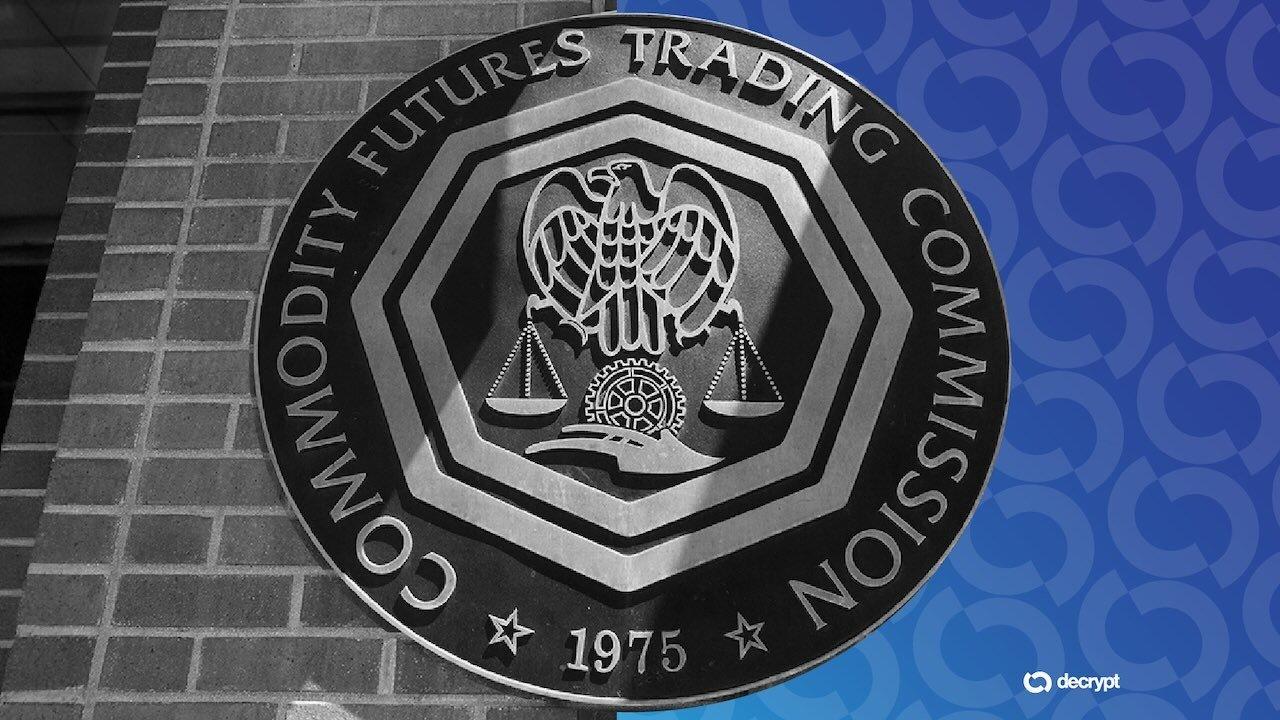
The recent bill passed in North Carolina recognizing the Commodity Futures Trading Commission's (CFTC) federal regulatory authority over prediction markets represents a critical turning point in the evolving landscape of cryptocurrency regulation. Such a development not only indicates the government's growing interest in ensuring market integrity but also raises significant questions about the future trajectory of prediction markets and their relationship with traditional financial oversight.
Implications for Prediction Markets
This legislative move is crucial because it underscores the intention to bring prediction markets under regulatory scrutiny. By officially acknowledging the CFTC's jurisdiction, North Carolina positions itself at the forefront of a potentially widespread regulatory framework. This could catalyze similar initiatives across other states, promoting a more unified approach to prediction market regulations in the United States.
Furthermore, the bill may encourage investment in prediction markets as clarity regarding regulatory oversight is provided. Investors often hesitate to engage in markets perceived as ambiguous or unregulated due to the inherent risks involved. A formalized regulatory environment could foster greater confidence among investors and entrepreneurs alike, driving innovation and market growth.
Potential Market Consequences
Importantly, the CFTC's involvement may lead to enhanced consumer protection protocols within prediction markets, making them more appealing to average traders. This could also set a precedent for broader adoption of decentralized finance products that hinge on prediction markets, further integrating them into mainstream cryptocurrency and trading ecosystems.
- Greater regulatory clarity may spurn investment and innovation.
- Potential for customer protection enhancements through regulatory frameworks.
- Increased likelihood of other states enacting similar legislation.
As the outcome of this bill progresses, market participants will need to remain vigilant and adaptive. The evolving regulatory landscape will require stakeholders to navigate complexities while seizing new opportunities. It will be interesting to observe how prediction markets evolve under these regulations, potentially transforming them into robust financial instruments.
This material is informational and does not constitute financial advice.