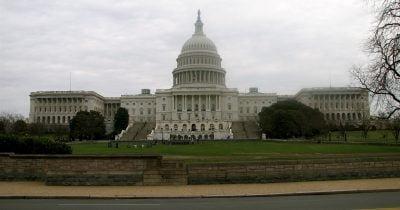
The recent legislative activity in Congress highlights a growing concern over the implications of artificial intelligence (AI) in various sectors, including finance and technology. With lawmakers pushing for regulations that emphasize transparency and accountability, the potential impact on cryptocurrency firms that utilize AI technology for customer interactions cannot be overstated. This development not only sets the stage for new operational standards but also signals a shift in the relationship between regulatory bodies and innovative tech companies.
Why This Legislative Push Matters
The motivations behind this regulatory push stem from multiple angles, including consumer protection and economic stability. As Rep. Valerie Foushee of North Carolina and Rep. Greg Casar of Texas spearhead this initiative, they present a framework that considers the widespread implications of AI on employment and consumer privacy. Key aspects of their proposals include:
- The introduction of the AI Workforce Impact Study Act, which requires examination of AI's impact on jobs, dating back to 2022.
- Establishing accountability measures for AI chatbots, such as the GUARD Act, which mandates that chatbots disclose their non-human status.
- Creating a safer environment for minors by banning AI companion chatbots targeted at younger users.
Such legislation could serve as a precedent for broader regulations in the tech and financial sectors. By ensuring that fintech companies adhere to these standards, lawmakers aim to build a more transparent interaction model between users and automated systems.
Potential Consequences for Crypto Markets
The developments surrounding AI regulation are particularly pertinent for cryptocurrency exchanges and other platforms that employ AI-driven customer support systems. If the GUARD Act is enacted, it will necessitate substantial adjustments for companies that engage AI technologies to support their users. This could include:
- Modifying customer support interfaces to clearly indicate chatbot status.
- Enhancing privacy frameworks to comply with potential regulations regarding user data.
- Preparing for heightened scrutiny regarding how AI affects operational transparency and consumer trust.
Moreover, a retrospective quantification of AI-related job losses as stipulated in the proposed legislation may sway public opinion towards a more favorable view of stricter regulations, potentially leading to more comprehensive oversight mechanisms for technology firms.
Looking Ahead: Implications for Investors
The market should brace for continuing discussions that may influence the regulatory landscape and the operational viability of crypto platforms. As Congress seeks to balance innovation with consumer protection, will more stringent regulations stifle technological advancements or foster a more responsible use of AI in finance? Investors should monitor the progress of these bills, especially the AI Workforce Impact Study Act and the GUARD Act, to assess how forthcoming regulations may reshape the crypto market.
This article is for informational purposes only and is not financial advice.