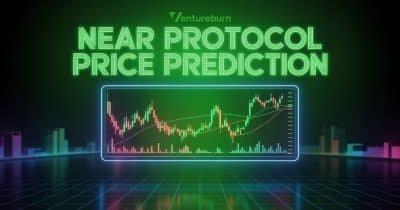
The recent decision made by NEAR Protocol's governance body, House of Stake, to eliminate the developer gas rebate marks a significant shift in the protocol's economic strategy. This change, formalized through proposal HSP-027, reflects a broader move towards enhancing the sustainability of NEAR’s tokenomics by redirecting execution fees to a burn mechanism rather than recycling them back to developers. Scheduled for implementation with the nearcore v2.14 upgrade in August 2026, this new approach could reshape the landscape for developers and investors alike.
Understanding the Importance of This Development
This decision is pivotal as it demonstrates a commitment to deflationary practices that could bolster the long-term value of the NEAR token. By transitioning to a model where 100% of eligible execution fees are burned, the protocol is set to reduce the overall supply of NEAR. This shift aims to enhance scarcity, which can result in increased demand and potential price appreciation.
- The developer gas rebate has decreased from about 27.6 NEAR per contract in June 2025 to just 1 to 5 NEAR per month by 2026.
- Proposal HSP-027 received broad support, with no major dissent during the discussion phase.
- The change is expected to take effect from the nearcore v2.14 upgrade around August 2026.
Consequences for Developers and Market Participants
With the elimination of the gas rebate, developers must adapt their business models accordingly. For many projects, the amount previously reclaimed through the rebate was negligible and often not worth the additional accounting burden. This change encourages developers to innovate and focus on sustainable revenue streams. Moreover, it signifies a maturation of the NEAR ecosystem, aligning its economic incentives with more traditional market principles.
For investors, the implementation of the burn mechanism could create upward pressure on NEAR’s price by decreasing the available supply. As the community closely monitors the ramifications of this transition, the upcoming implementation will be crucial in assessing whether the market responds positively to this shift.
Looking Ahead: What to Watch
As the scheduled nearcore v2.14 upgrade approaches, stakeholders should keep a keen eye on the burn data that follows its implementation. This data will serve as the first practical test of the anticipated impacts of the gas rebate's removal on supply and buying pressure. The future dynamics of NEAR's token value will largely depend on investor sentiment and the overall market's reaction to this pivotal change.
This material is for informational purposes only and is not financial advice.