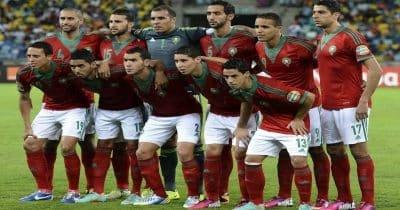
Morocco’s recent triumph in the World Cup has not only shattered records but has also highlighted a glaring absence of cryptocurrency’s involvement in this monumental event. The team's midfielder Azzedine Ounahi’s standout performance, where he scored twice in a 3-0 victory over co-host Canada, pushed Morocco into the quarterfinals, marking the nation as a historical first for African football.
However, as Morocco's footballing success was celebrated, the crypto sphere stood on the sidelines, noticeably missing from the broader narrative. Unlike previous tournaments such as the 2022 Qatar World Cup, where blockchain-related initiatives like fan tokens and NFTs played a significant role in fan engagement, this time around there was a stark silence from crypto platforms. Despite the anticipation that blockchain technology would become entrenched in sports, it appeared underwhelming at a key moment for global football.
The Curious Case of Absent Fan Tokens
During the fervor of major tournaments, fan tokens typically surge in popularity, reflecting the heightened interest surrounding national teams. In 2022, partnerships between FIFA and platforms like Crypto.com indicated a promising future where blockchain could change how audiences engage with their favorite teams. However, Morocco's World Cup run exposed an unsettling trend for blockchain enthusiasts: fan tokens have largely underperformed, trading well below their initial valuation. The explosion in speculative trading that once attracted fans has fallen flat, as these tokens now lack the engaging utility that is crucial for casual fans.
Implications for Investors and Stakeholders
This current state of affairs presents a dual-edged sword for investors in the crypto-sports intersection. On one side, the absence of a crypto narrative during Morocco's victory suggests a missed opportunity for market players aiming to capitalize on crypto integration within sports. No NFT drops associated directly with the memorable match, nor were there any discussions surrounding blockchain-powered prediction platforms, which signals a narrowing window for crypto brands to capture the casual sports audience.
On the other hand, the gap between sports successes and digital currency involvement implies that there is still an extensive untapped market. The events surrounding Morocco may serve as a case study, prompting stakeholders to reconsider strategies in developing robust, engaging crypto offerings that resonate with a broader audience. As the sports world evolves, it may become essential for cryptocurrency platforms to innovate and integrate seamlessly into mainstream fan experiences.
As we reflect on Morocco's historical World Cup journey, the question looms: How will the crypto landscape adapt to harness this potential in future athletic events?