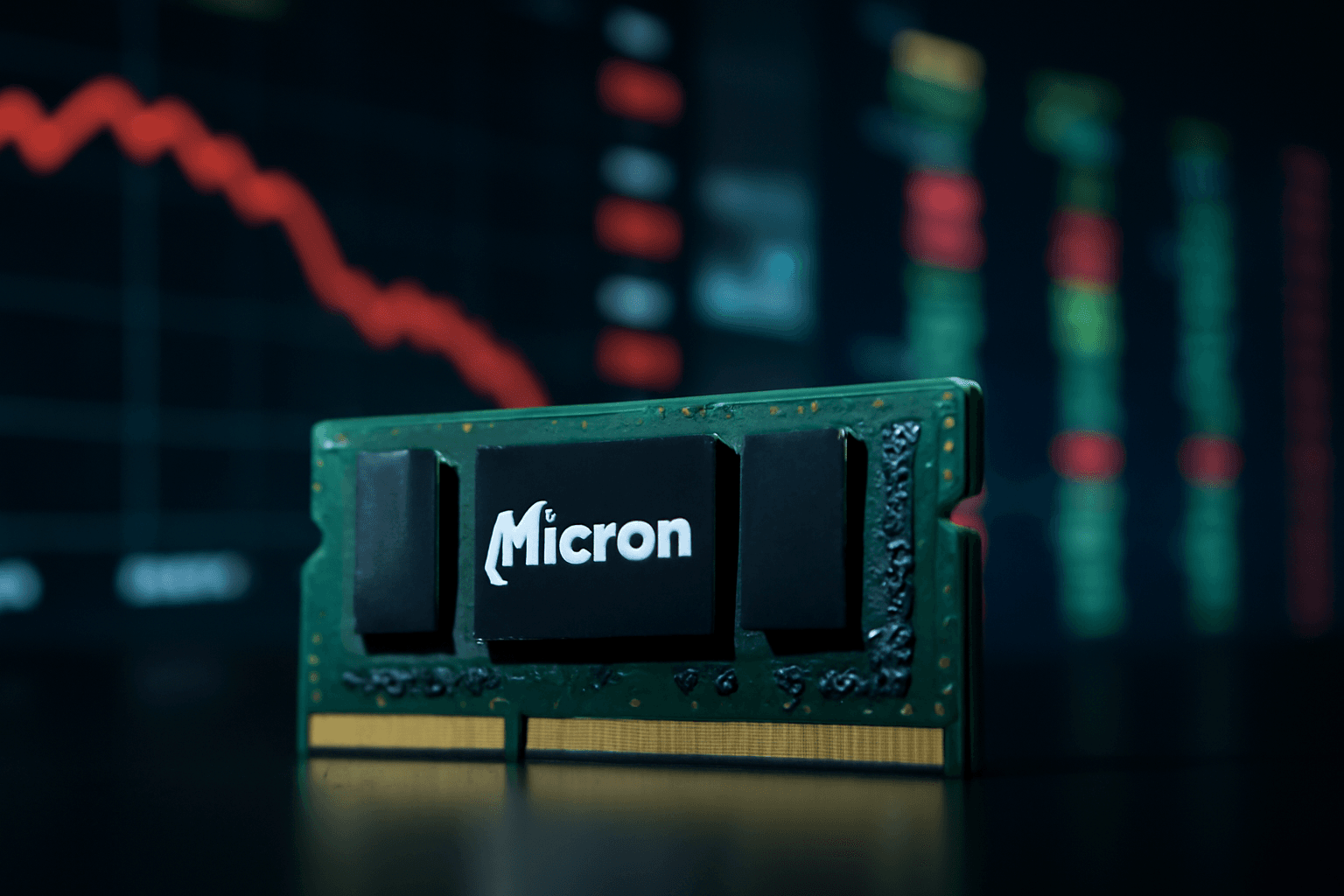
Micron Technology (MU) is currently seeing its stock priced around $970, with an astonishing year-over-year revenue increase of 346% for the third quarter. This dramatic rise raises significant questions about the company’s future and the broader semiconductor market.
The CEO has pointed out that the ongoing memory chip shortage is not merely a cyclical issue, but rather a structural problem that is expected to persist until 2028. The ramifications of this shortage are vast, particularly with high-bandwidth memory (HBM4) already sold out through 2027. Such prolonged scarcity could reshape the competitive landscape of the tech industry, increasing the barriers to entry for new players, while further solidifying the market position of established firms like Micron.
Implications for the Tech Industry
The projected persistence of the memory shortage underscores the critical role that semiconductor components play in technology, ranging from smartphones to data centers. As innovations such as artificial intelligence and machine learning continue to advance, the demand for advanced memory solutions is only expected to grow. With the shortage forecasted to last well into the next decade, companies in sectors reliant on these components may face increased costs, which could ultimately be passed on to consumers.
Potential Investor Strategies
Investors closely monitoring Micron’s trajectory face a complex scenario. On one hand, the rapidly increasing revenues signal robust operational performance; on the other hand, the extended chip shortage poses both risks and opportunities. Investors might consider the following strategies:
- Monitor technological advancements and pricing trends in semiconductor components.
- Evaluate exposure to the semiconductor sector, particularly among companies with strong supply chain management.
- Keep an eye on potential regulatory changes affecting the semiconductor industry.
As the industry adapts to these challenges, innovative approaches and new solutions may emerge, presenting additional opportunities for investment.
Market Considerations
The implications of Micron's guidance, notably the $50 billion forecast for Q4, could raise investor expectations regarding earnings potential in the semiconductor market. As seen in similar circumstances relating to industry giants like TSMC, where stock performance has been buoyed by positive forecasts, Micron's case reinforces the interconnectedness of supply chains and market sentiment in tech.
In conclusion, as Micron grapples with this extended memory chip shortage, both the company and its investors will need to navigate a challenging landscape. Understanding the dynamics of the semiconductor industry is essential for making informed decisions in this evolving market.