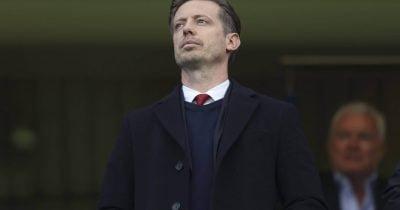
Michael Edwards’ recent resignation from Fenway Sports Group (FSG), less than a year into his tenure as Football CEO, raises significant questions about the future direction of the organization. Edwards, renowned for his strategic role in transforming Liverpool FC into a powerhouse, was hired with a clear mandate: expand FSG's reach through multi-club ownership. However, FSG's abrupt decision to abandon this expansion strategy has left Edwards with little incentive to remain.
Originally appointed in March 2024, Edwards was expected to leverage FSG’s resources to compete with the rising dominance of global football empires. After a successful stint at Liverpool, where he played a crucial role in ushering in a golden era, his return was marked with high expectations. Yet by March 2026, plans for this ambitious growth have been shelved entirely, leaving the football executive at a crossroads.
Edwards's departure is emblematic of a broader issue that many sports organizations are grappling with: how to adapt in a rapidly changing landscape where digital engagement is increasingly crucial. As more teams and leagues look to establish global identities and engage fans at scale, FSG's withdrawal from innovative strategies suggests a retreat into traditional operational models.
Moreover, FSG's decision not to replace Edwards also carries implications for corporate confidence among stakeholders. FSG President Mike Gordon, who has long been an insider, will now oversee football operations directly. While this move may provide stability, it lacks the fresh vision that a new executive could have brought, potentially stalling innovative initiatives within the organization.
For investors and fans alike, this shift is significant. It indicates a potential stagnation in FSG’s competitive edge against other sports empires, who are not hesitating to capitalize on new market opportunities. Without a clear strategic vision, FSG could find itself at odds with emerging trends in sports management, where multi-club ownership is becoming a norm rather than an exception.
In conclusion, Michael Edwards’ exit from FSG not only signals a loss of innovative leadership but also poses important questions about the group's long-term strategy. In an age where adaptation is vital for success, this decision could prove detrimental to FSG's ambitions, especially as other organizations look to expand their digital reach.
This article is informational and not financial advice.