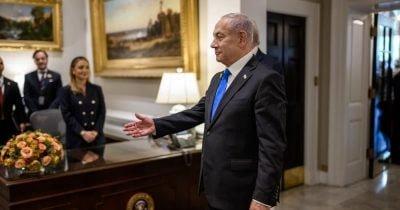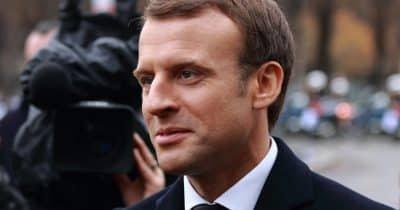
French President Emmanuel Macron's recent visit to Syria, the first by a European Union leader since the fall of Bashar al-Assad's regime, marks a significant pivot from isolation to economic engagement. This crucial trip emphasizes not only France's historical ties to Syria but also a broader Western willingness to re-engage with a nation long shunned due to its tumultuous history.
The timing and composition of Macron's visit underscore its strategic importance. With a delegation comprising French investors and business executives, the message is clear: the West is signaling that it is open for business in Damascus. This transition from a pariah state to a potential priority partner has ramifications beyond mere diplomacy; it opens the floodgates for foreign investment as international sanctions against Syria have gradually been lifted.
Rebuilding Syria’s Economy
If we analyze the implications of this shift, we find that Syrian interim government leader Ahmad al-Sharaa is tasked with rebuilding an economy devastated by years of conflict, facing severe infrastructural challenges. Macron's earlier support for sanctions relief during his May 2025 meeting with al-Sharaa has laid the groundwork for this renewed interest in investment, wherein the sequencing of actions from France's diplomatic overtures to business delegation indicates a calculated approach rather than an improvised move.
Impacts on Digital Asset Firms
One noteworthy angle of this visit is its potential impact on crypto and blockchain businesses. With the lifting of sanctions, companies operating in the legal gray area of transactions involving Syria may find themselves in a more stable regulatory environment. This clearer compliance framework is likely to enhance trust and facilitate smoother remittance flows through digital assets, which are crucial for a region still struggling to recover economically. As firms assess the DeFi risks and opportunities in emerging markets, Syria's evolving regulatory landscape can serve as a key turning point.
Geopolitical Considerations
Macron's visit fits into a larger narrative of France seeking to establish itself as a significant independent actor in the Middle East. By prioritizing engagement with Syria, France not only asserts its historical influence but also seeks to cultivate new partnerships amid changing regional dynamics. This strategy is part of a broader plan, as evidenced by Macron’s visits to Lebanon and Saudi Arabia, showcasing a comprehensive approach focused on regional re-engagement.
In conclusion, Macron's visit to Syria is more than a historical milestone; it serves as a litmus test for Western attitudes toward post-conflict economies and presents a myriad of new opportunities and risks. Investors must navigate this complex landscape carefully, as the potential for growth in Syria comes hand in hand with uncertainties inherent in any frontier market.