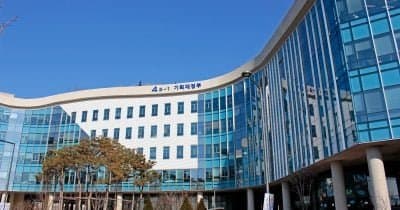
On July 15, 2026, South Korea's Ministry of Economy and Finance scheduled an urgent high-level meeting in response to rising market volatility, particularly concerning single-stock leveraged ETFs. This gathering, known as the F4 meeting, will bring together the Ministry, the Financial Services Commission, the Financial Supervisory Service, and the Bank of Korea.
Market Turbulence and Regulatory Response
The surge in volatility is largely attributed to the activities surrounding leveraged ETFs, which have become a focal point for regulatory scrutiny. Additionally, major South Korean corporations in the semiconductor and shipbuilding sectors are divesting from their positions in the forwards market, further amplifying concerns about market stability.
As regulatory bodies convene to address these issues, the specific agenda and outcomes of the meeting remain undisclosed. This uncertainty may heighten investor anxiety, particularly for those engaged with leveraged instruments.
Future Legislative Frameworks
Looking forward, the anticipated Digital Asset Basic Act could significantly reshape the regulatory landscape for digital assets once it is enacted in the latter half of 2026. This legislation is expected to introduce formal guidelines for digital asset operations, including clear standards for crypto businesses and regulations regarding won-pegged stablecoins.
Moreover, South Korea has proposed a pilot program to tokenize government bonds through a central bank digital currency, with a tentative launch slated for 2027. The potential introduction of spot Bitcoin ETFs has also entered discussions, indicating a willingness to adapt to evolving market demands.
- Enforcement measures: New seizure rules for crypto assets proposed by South Korea's Supreme Court
- Public comment period until August 11, 2026
- Effective date targeted for October 2026
If regulations are tightened on leveraged ETFs, trading strategies that depend on these products could face immediate ramifications. The corporate divestment activity in critical sectors like semiconductors adds another layer of uncertainty for investors positioned within South Korea's tech supply chain. Despite potential regulatory improvements, the political environment, which saw notable turmoil following the martial law episode in late 2024, contributes an unpredictable element that no legislative framework can fully mitigate.
This article is for informational purposes only and does not constitute financial advice.