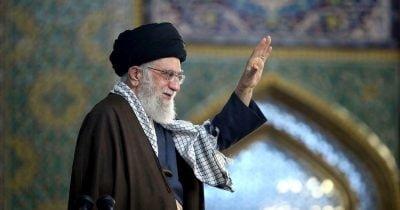
The recent funeral procession for Ayatollah Ali Khamenei, Iran's former supreme leader, has highlighted profound implications for both Iranian politics and the broader geopolitical landscape. Khamenei's assassination, reportedly executed through a US-Israeli airstrike, marks a pivotal point not only for Iran but also for its Shia affiliates in neighboring Iraq. The turnout of Iraqi mourners in this event, taking place on July 7, 2026, signifies enduring ties between Iraqi Shia communities and their Iranian counterparts amidst rising regional tensions.
Why This Matters
The death of Khamenei, a central figure in Iran's political and ideological dominance, raises crucial questions about the future leadership of the country. Observers have noted that while the immediate succession does not appear likely, the likelihood of a leadership change by December 31 has seen a notable uptick. This situation is compounded by the volatile context of regional politics, where Khamenei's absence creates a power vacuum that could lead to significant shifts.
- Increased likelihood of a leadership change in Iran by December 31.
- Low probability of a change by July 31, indicating a carefully measured transition.
- Significant regional implications indicated by the presence of Iraqi mourners.
An unstable Iran could shake up relationships across the Middle East, especially with Shia communities in Iraq, where reverberations of political changes in Tehran are strongly felt. The ceremonies in Najaf and Karbala act not merely as mourning events but as potential catalysts for larger shifts in political alliances and sectarian dynamics.
Implications for Investors and Regional Dynamics
As markets closely follow these developments, any announcements from Iran's Assembly of Experts regarding a new Supreme Leader could impact regional investments and speculative decisions. The funeral processions will likely be scrutinized for any statements or actions that signal emerging power structures. The interplay between internal Iranian politics and external pressures will be critical, suggesting that the situation could evolve rapidly.
Looking Ahead: What to Expect
With the current state of affairs, investors should keep an eye tuned to official announcements regarding Iran's leadership. Fluctuations in expectations regarding upcoming political changes, fostered by the regional dynamics shaped by Khamenei’s passing, are likely to influence markets significantly. The impact of such developments cannot be overstated; should new leadership emerge, it will undoubtedly redefine both Iran's internal policy and its role within the wider region.
Disclaimer: This material is for informational purposes only and should not be considered financial advice.