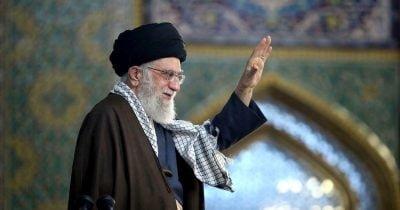
The recent procession of Ayatollah Ali Khamenei’s body in Najaf symbolizes a profound moment in Iranian political and religious sentiment, following his death in a US-Israeli airstrike. This event unfolds amid a tumultuous backdrop of escalating anti-US and anti-Israel sentiment in the Middle East. The convergence of mourners, shown waving Iranian and Hezbollah flags, reinforces the significant ties between Iran’s leadership and the Iraqi Shia community, complicating the geopolitical landscape in the region.
Why This Event Matters
The funeral of Khamenei not only serves as an act of mourning but is also indicative of shifting allegiances and potential instability within Iran’s leadership framework. Analysts are observing that the large scale of participation reflects a unity among Shia communities that could either bolster Iran’s influence in Iraq or lead to increasing tensions with Western powers.
- Khamenei's death directly results from a coordinated US-Israeli operation, underscoring the high stakes that define the region.
- The six-day mourning ceremony emphasizes Iran’s cultural and religious bonds with Iraqi Shiites, highlighting the intertwined fates of these two communities.
- There is a rising wave of anti-US-Israel sentiment, illustrated by the symbolic gestures of the mourners, which may signal escalating hostilities going forward.
Implications for the Market and Political Landscape
Market participants seem to interpret the events following Khamenei’s death as a harbinger of potential instability within Iranian leadership. Any announcements from influential Iranian figures regarding leadership consolidation during or after the mourning period will likely provoke significant market reactions. Investors should be particularly cautious, as decisions made at this juncture could lead to substantial shifts in regional and global sentiment toward Iranian assets.
Moreover, the display of unity among Iranian and Iraqi forces may prompt a reevaluation of geopolitical strategies, especially concerning diplomatic relations with the West. As noted situations evolve, the ripple effects may encompass sanctions, military engagements, and even direct discussions between the involved governments.
What to Monitor Going Forward
Looking ahead, stakeholders should focus on the responses from both Iranian political leaders and Iraqi counterparts. Their statements will be pivotal in shaping future expectations about Iranian governance and regional alliances. Additionally, observing how the public reacts to the ongoing mourning will provide insight into the psychological and sociopolitical ramifications of Khamenei's demise.
This article is for informational purposes only and does not constitute financial advice.