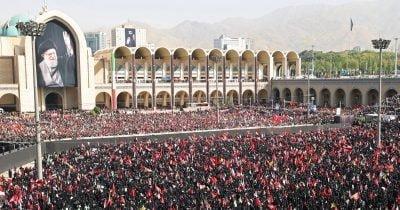
The recent funeral of Ayatollah Ali Khamenei in Tehran has highlighted a significant turnout, showcasing strong nationalist sentiment within Iran. This event, occurring after Khamenei's death due to U.S.-Israeli airstrikes, draws attention to the existing regime's popularity even in the context of ongoing military conflicts involving the country, namely the so-called 2026 Iran War.
This notable gathering of supporters not only reflects a consolidation of allegiance to the current leadership, but it also challenges external narratives that view Iran as a fragmented nation suffering from internal dissent. Just months prior, widespread protests indicated a desire for change; however, the funeral's massive attendance suggests a shift in sentiment toward national unity.
Why This Matters for Investors and Analysts
Understanding the implications of the large attendance at Khamenei's funeral is crucial for analysts and investors monitoring geopolitical dynamics in the region. The event suggests that nationalist feelings may have gained strength, potentially stabilizing perceptions of Iran amidst fluctuating internal and external pressures. Key insights include:
- The turnout indicates a deep support for the regime, which may signal lower perceived instability in Iran.
- Market evaluations regarding the likelihood of Iran lacking a head of state by 2026 have decreased, suggesting confidence in Mojtaba Khamenei's leadership.
- The current political scenario suggests the regime is better positioned than before, potentially defying earlier expectations of unrest.
Projections and Future Developments
As observers scrutinize Iran's evolving political landscape, key elements to monitor include the leadership's capacity to maintain authority amid regional conflicts, changes in U.S.-Iran relations, and the trajectory of domestic protests. In particular, any shifts in public sentiment or significant political events could alter the current regime's stability. Furthermore, analysts should watch for indicators that reflect market adjustments in response to Iran's perceived political security.
This article is for informational purposes only and does not constitute financial advice.