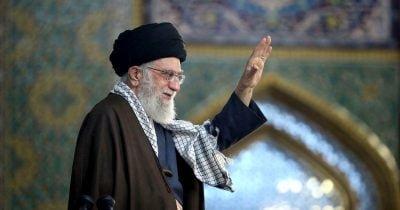
A significant funeral procession for the former Supreme Leader of Iran, Ayatollah Ali Khamenei, unfolded in Karbala, Iraq, attracting large crowds and considerable media attention. This ceremony is more than just a commemoration of Khamenei; it is a pivotal moment signaling potential changes in Iran's political landscape following his assassination in February 2026 during joint U.S.-Israeli missile strikes.
Why This Development Matters
Khamenei's demise represents a key turning point in Iranian politics, with implications extending beyond domestic borders. The turnout in Karbala not only reflects the public's interest but also suggests logistical challenges for the Iranian authorities, indicating the strong geopolitical ramifications of Khamenei's passing. His son, Mojtaba Khamenei, having taken the mantle of Supreme Leader, raises questions about the future direction of Iran. The following are critical points to consider:
- The massive attendance at the funeral highlights the significance of Khamenei's leadership in shaping Iran's identity.
- Market analysts interpret Khamenei's death as a potential catalyst for shifts in leadership dynamics in Iran.
- Declining odds for Mojtaba Khamenei's public emergence suggest uncertainty in the immediate future of Iran's governance.
Implications for Market Dynamics
The current sentiment in various markets indicates that Khamenei's assassination could lead to a realignment of power within Iran. Investors and political analysts are closely watching for shifts in leadership and any public statements or appearances by Mojtaba Khamenei. How the Iranian Assembly of Experts responds, alongside international reactions, will play a crucial role in shaping perceptions of Iran’s political stability. For instance, the completion of the funeral ceremonies may be an opportune moment for strategic public addresses that clarify the future leadership trajectory of Iran.
Looking Ahead: Key Observations
As the world observes the transitional phase in Iran, it is essential to monitor several factors: first, any statements from Mojtaba Khamenei will be critical in assessing the stability of Iran’s new governance. Second, the roles of the Iranian Assembly of Experts and various international actors could either stabilize or destabilize the situation. Last but not least, the unfolding of further funeral ceremonies may yield insights into the political landscape ahead.
This material is for informational purposes only and does not constitute financial advice.