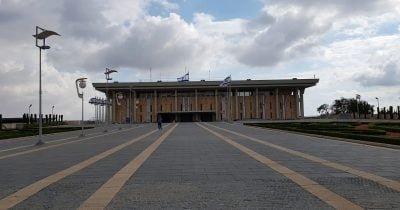
The recent announcement by Knesset Speaker Amir Ohana regarding a reduction of NIS 50 million in the Knesset budget signals a strategic shift aimed at reinforcing Israel's wartime economy. This cut is not an isolated event; rather, it compounds a total of NIS 376 million in reductions since the establishment of the 25th Knesset. Such significant fiscal adjustments indicate an urgent response to the economic pressures stemming from ongoing conflicts with Iran and Hezbollah.
This budgetary strategy is particularly interesting as it aligns with a broader 3% reduction implemented across all government ministries. These measures are designed to facilitate increased defense spending during a time of heightened military engagement. The overarching goal here seems to be economic stabilization amid the turbulence created by these conflicts.
A noteworthy implication of this budget cut is its potential impact on the perception of political stability within Israel. Market indicators have shown a decrease in the likelihood of the Knesset's dissolution by February 28, 2026, suggesting a growing confidence in the current government. This shift in sentiment underscores the intricate relationship between scheduled budget cuts and the continuity of legislative governance. In essence, a successfully managed budget may bolster the current coalition's position, mitigating fears of parliamentary chaos.
As the situation evolves, market observers should watch for further fiscal measures from Israeli leadership, especially from pivotal figures such as Prime Minister Benjamin Netanyahu and Ohana himself. Any alterations in coalition dynamics or legislative actions can offer insights into the likelihood of parliamentary dissolution scenarios resurfacing. Upcoming legislative sessions will be crucial in determining whether the government's fiscal strategies are yielding the desired sense of stability.
This analysis serves to inform and does not constitute financial advice.