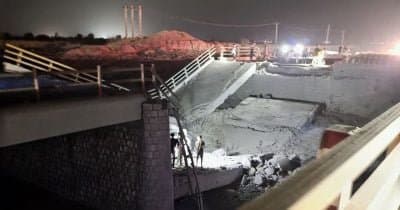
On July 17, 2026, the Islamic Revolutionary Guard Corps (IRGC) of Iran issued a dire warning to the United States and its allies, emphasizing that additional attacks on Iran would result in stronger retaliatory measures. This comes in the backdrop of an escalating conflict that has intensified since the demise of a ceasefire earlier this month. The ongoing military exchanges, comprising both missile and drone attacks, not only highlight Iran's military readiness but also its willingness to expand operations across the region if provoked further.
The warning from the IRGC is particularly alarming as it follows recent assaults on US military bases located in Kuwait and Bahrain. Such developments indicate a worrying shift from a strategy of targeted retaliation to a potential broader regional conflict. This increased aggression complicates diplomatic initiatives, especially regarding a possible US-Iran deal that had been on the horizon for 2026, including significant reconstruction funding for Iran.
Market participants are already reacting to the uncertainties created by this escalation. Predictions regarding the likelihood of a successful US-Iran deal have dropped substantially, now standing at only 26%. This marks a stark contrast to previous weeks, where optimism was more prevalent. The anxiety surrounding these developments reflects a broader skepticism about the feasibility of reaching a diplomatic resolution that encompasses reconstruction funding for Iran.
Implications for Diplomacy
Iran's recent threats suggest a serious elevation in regional tensions that could severely impact ongoing diplomatic negotiations. If Iran indeed opts for a larger military campaign, the implications for US-Iran relations could be catastrophic. A potential stalemate may reduce the chances of engaging in serious talks aimed at de-escalation.
What to Monitor Next
As the situation continues to unfold, it will be crucial to monitor military actions taken by both the US and Iran. Any escalations could have immediate effects on negotiations and market reactions. Key figures, including Donald Trump and Javad Zarif, will play critical roles in determining the direction of future talks, and their responses to this conflict will be key. Additionally, mediation efforts from countries like Qatar and Pakistan could provide essential insights into the potential for easing tensions or returning to diplomatic discussions.
This article is for informational purposes only and does not constitute financial advice.