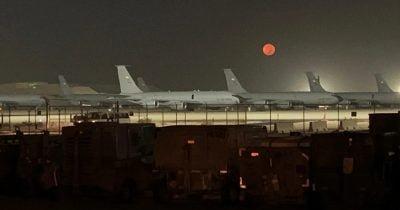
Recent reports from Iran’s Fars News Agency indicate that Iranian ballistic missiles targeted US military bases in Qatar and the UAE on July 9 and 10, 2026. The strikes on Al Udeid Air Base and Al Dhafra Air Base mark a significant escalation in the ongoing conflict that began earlier this year, following US and Israeli actions against Iranian facilities. As tensions intensify, the implications for both traditional and cryptocurrency markets are profound.
This outbreak of hostilities is rooted in a broader narrative of retaliation. Iran's response to the February 2026 US and Israeli strikes was predictable, establishing a pattern of aggressive posturing aimed at Gulf states hosting American troops. The recent missile attacks are not isolated incidents but rather a continuation of Iran's strategic response, as the nation seeks to assert its military prowess and deter further assaults.
From a market perspective, the ramifications of such military actions are significant. During previous escalations, notably in February, Bitcoin saw a sharp decline to around $63,000 before recovering. This incident wiped out approximately $128 billion from the overall cryptocurrency market, demonstrating how geopolitical tensions can trigger rapid sell-offs and volatility in crypto assets. The connection between Middle East conflicts and market fluctuations is particularly pronounced due to oil price dynamics. Any spike in crude prices typically raises inflation expectations, complicating the monetary policies of central banks and exerting downward pressure on risk assets globally.
During heightened conflict situations, the inflow into stablecoins tends to increase as investors seek shelter from volatility. Historical data indicates that USDT and USDC experienced surges in transfer volumes following significant developments in conflicts. However, as it stands, there is no evidence to suggest that the current missile strikes have directly disrupted any cryptocurrency protocols or infrastructure.
Looking ahead, market participants should closely monitor official statements from the US Department of Defense, as well as the governments of Qatar and the UAE. The credibility of Fars News Agency's reports must be scrutinized, given its affiliation with the IRGC, which often frames information to align with Iranian strategic objectives. Furthermore, one key question for investors remains whether this conflict will escalate to a point where the Strait of Hormuz is affected. This strait is crucial for global oil supplies and any disruption will likely reverberate through both traditional and digital asset markets.
This material is for informational purposes only and should not be considered financial advice.