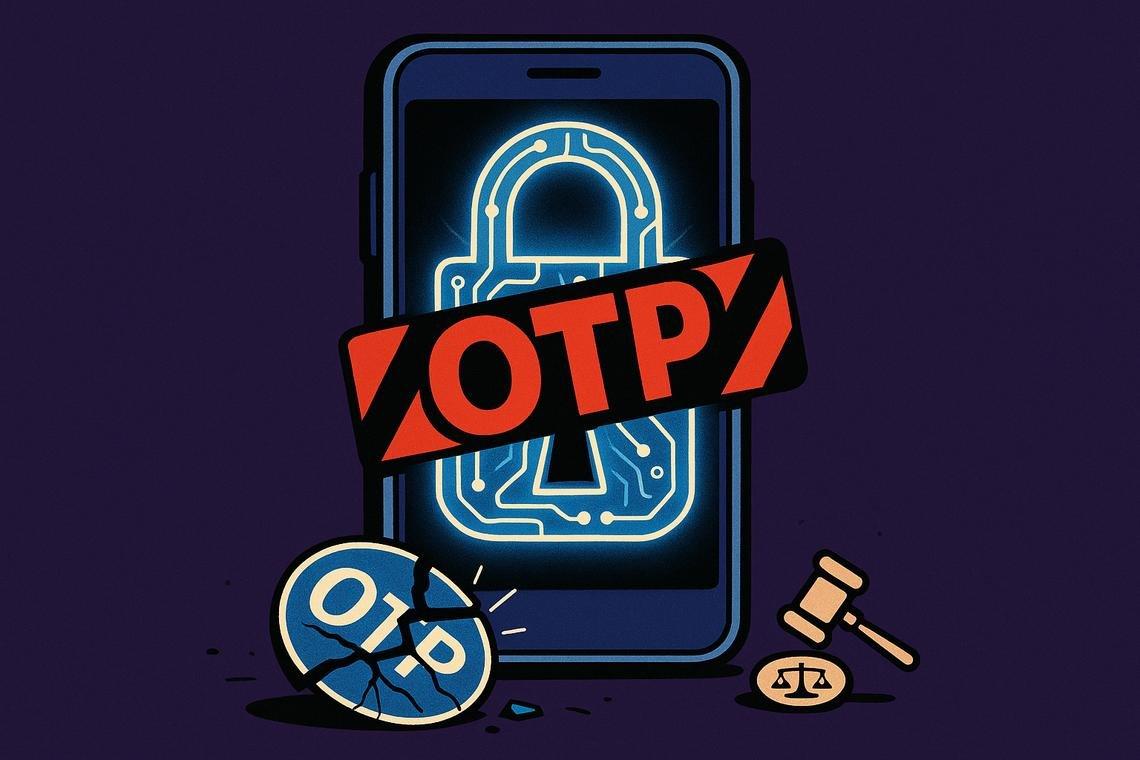
In a significant move to bolster cybersecurity in the cryptocurrency landscape, Hong Kong's Securities and Futures Commission (SFC) has prohibited the use of one-time passwords (OTPs) across all trading platforms and internet brokers. This decision, prompted by a 27% increase in cyberattacks, particularly phishing schemes, reflects a growing urgency to protect users against sophisticated tactics that are draining resources from countless accounts.
Why This Decision Matters
The implications of the OTP ban are multifaceted. By transitioning to passkeys or similar phishing-resistant methods, the SFC seeks to address a core vulnerability of OTPs. Recent statistics unveil alarming trends:
- Hong Kong reported 15,877 cybersecurity incidents in 2025, marking a 27% rise from the previous year.
- Phishing activities constituted 57% of these incidents, indicating a significant focus of cybercriminal efforts.
- The ramifications of phishing attacks include a loss of $12,300 from a single user on HyperSwap and approximately $400,000 siphoned from fraudulent Uniswap sites.
Such figures illustrate the significant scale of the threat faced by crypto investors and platforms alike. The transition away from OTPs is not merely a regulatory adjustment; it signifies an essential evolution in the approach to security within the cryptocurrency ecosystem.
New Authentication Landscape
The circular issued by the SFC is noteworthy for its specific directives, giving larger brokers immediate compliance mandates while smaller operators have a 12-month grace period. Historically, OTPs have served as a staple of financial security, but their ease of interception by malicious actors is well-documented. In contrast, the recommended solutions such as passkeys and cryptographic device binding ensure a higher level of security, making unauthorized access significantly more difficult.
This regulatory shift also places senior management at licensed platforms under direct personal liability for failure to implement adequate authentication measures. As noted by Dr. Yip Chi-hang of the SFC, enhancing defenses against increasingly advanced phishing attacks is crucial for maintaining client trust and security.
Future Trends and Considerations
As the SFC moves forward with this ban, stakeholders should monitor several key developments. First, the speed and effectiveness of compliance among crypto platforms will be critical, especially in light of the recent surge in cyber incidents. Furthermore, this regulatory measure may set a precedent for other jurisdictions grappling with similar cybersecurity threats, potentially influencing global standards.
Investors should also be vigilant, as this shift could reshape user interactions with crypto trading platforms and influence market dynamics around trusted security protocols. The effectiveness of these new measures will likely affect user confidence in the broader crypto market.
This material is for informational purposes only and does not constitute financial advice.