The recent announcement by Hamas regarding the dissolution of its government structures in the Gaza Strip signifies a pivotal shift within the framework of the ongoing Washington Accord peace process. This development not only affects regional politics but could also have far-reaching implications for global risk sentiments and cryptocurrency markets.
Political Context and Implications
On July 6, Hamas stated its intentions to pave the way for a United Nations-backed technocratic body, the National Committee for the Administration of Gaza (NCAG), to assume control. This transition comes under the oversight of a Board of Peace chaired by former President Trump, who emphasized a stringent requirement: the new government must take charge of weapons in Gaza to advance the ceasefire agreement.
This demand highlights that the changes in governance are not merely symbolic; they represent concrete conditions that must be met for any peace negotiations to proceed, reflecting a significant push toward military de-escalation in the region.
Implications for Crypto Markets and Compliance
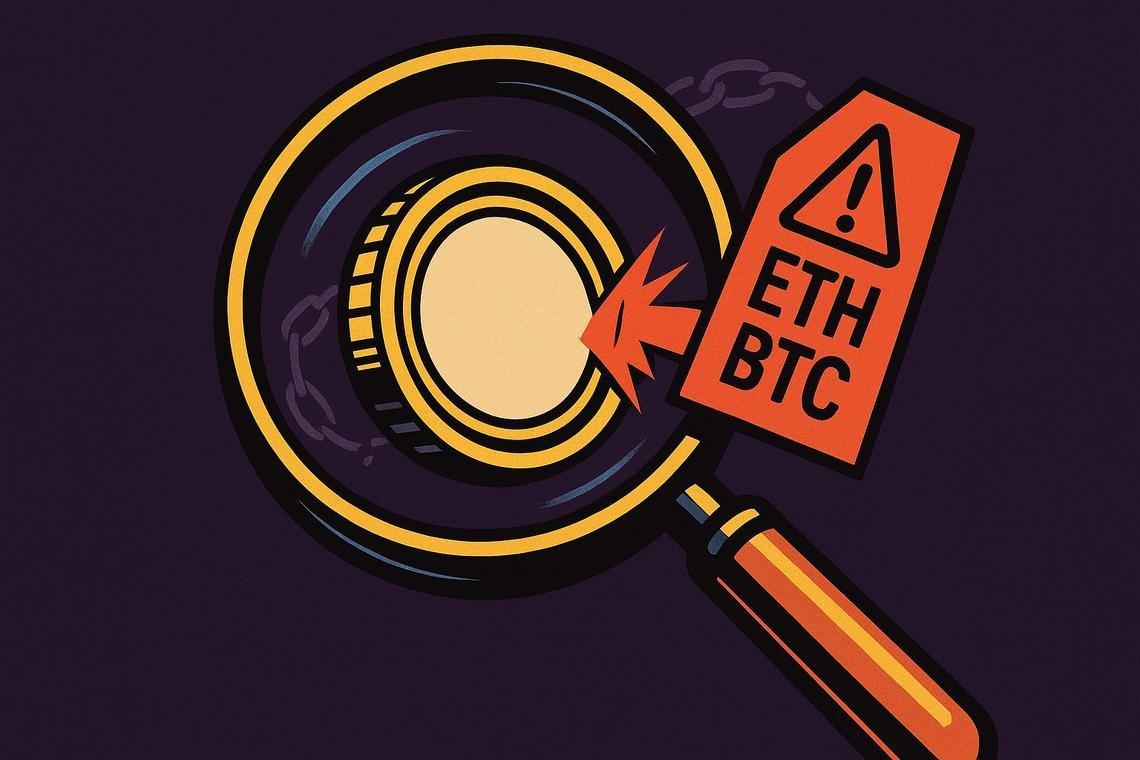
The implications for cryptocurrency investors and compliance-focused firms are noteworthy. The U.S. Treasury and blockchain analytics firms have flagged crypto wallets associated with Hamas, and actions against such financial networks have become an integral part of the narrative surrounding compliance in the crypto space. The official dismantling of Hamas's political framework could blur the lines between military and civilian financial activities further amidst this transition.
For firms specializing in crypto compliance infrastructure, such as Chainalysis, Elliptic, and TRM Labs, the evolving regulatory landscape could generate heightened demand for transaction monitoring and risk-scoring tools. These companies may find new business opportunities as the complexities surrounding sanctions compliance deepen.
Potential Market Responses
As the situation unfolds, market participants will be closely monitoring the response of international actors and the crypto industry to these developments. A more pronounced regulatory focus on compliance tied to the situation in Gaza could lead investors to reassess risk factors associated with crypto asset transactions, particularly those linked to politically sensitive regions.
In summary, the dissolution of Hamas’s government not only marks a significant geopolitical event but also hints at the potential for market shifts in the cryptocurrency realm, emphasizing the need for enhanced compliance mechanisms.