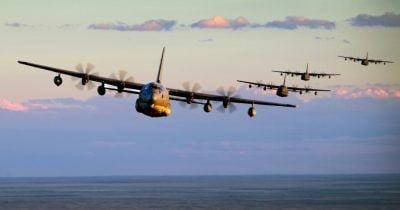
A significant shift in U.S. military strategy has been observed this week with the announcement of a third strike operation against Iran by CENTCOM. This operation included about 140 air strikes aimed squarely at Iranian military infrastructure, particularly in areas linked to air defenses, drone storage, and naval operations.
This escalation occurs in the context of heightened tensions in the Strait of Hormuz, where Iran has been accused of targeting commercial vessels and launching strikes on U.S. bases in Bahrain and Kuwait. The implications of these military actions are far-reaching, not only for the geopolitical landscape but also for global energy markets and shipping routes.
Context of Escalation
The recent strikes reflect a strategic U.S. effort to undermine Iran's military capabilities, which pose a direct threat to shipping in one of the world's most critical maritime chokepoints. The Strait of Hormuz is vital for oil transportation, with approximately 20% of the world’s oil passing through it. The U.S. military's increased engagement underscores a commitment to securing these shipping routes amidst fears of Iranian aggression.
Market participants appear to be adjusting their expectations in light of U.S. actions, as indicated by pricing in the July 12 sub-market. The sentiment in trading circles suggests that the likelihood of successful Iranian attacks on shipping may be decreasing due to U.S. involvement, at least temporarily. However, traders are also bracing for potential Iranian reprisals, as indicated by the increased market activity surrounding this date.
Potential Consequences for Global Markets
The ongoing military operations will likely have a ripple effect across various markets, including energy and possibly even the cryptocurrency sphere, where geopolitical tensions can influence trading behavior. Future developments will be crucial in assessing whether this military engagement will escalate further, or if a diplomatic resolution could be sought. Observers will be looking closely for any Iranian announcements that might signal a shift in their military posture, as well as any new U.S. responses.
Any continuation of hostilities could significantly impact shipping costs and insurance premiums, potentially leading to volatility in oil prices and broader economic implications. In turn, this might affect global economic stability, as disruptions in oil supply can lead to inflationary pressures in various economies.
This analysis is for informational purposes only and should not be considered financial advice.