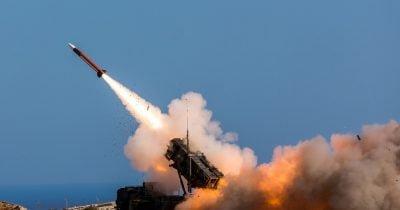
The recent decision by the US government to grant Ukraine a license to manufacture Patriot missile interceptors marks a significant turning point in global defense strategies. Announced by President Trump during the NATO summit in Ankara on July 8, this unprecedented move signals a shift in how defense technology is distributed and could reshape geopolitical alliances.
Understanding the Significance of the License
The deal allows Ukraine to begin the process of producing the PAC-3 variant of the Patriot missile interceptors on its own soil, thereby reducing dependence on direct US shipments. Currently, Lockheed Martin produces approximately 620 PAC-3 interceptors annually, and plans are in place to ramp up production significantly in the near future, potentially reaching 2,000 missiles per year. However, the path to actual production in Ukraine is fraught with challenges, requiring substantial investment in infrastructure, complex supply chain logistics, and the transfer of sensitive technical expertise. Experts anticipate it could take several years before Ukraine can produce a single interceptor.
This license is particularly crucial given Ukraine’s ongoing conflict, where there is an acute need for air defense systems to protect against imminent threats. While the license addresses long-term supply chain issues, it does not alleviate the immediate shortages Ukraine faces in the short term.
Shifting Geopolitical Calculations
The announcement also functions as a strategic maneuver in ongoing negotiations between Russia and Ukraine. By empowering Ukraine with its manufacturing capability for air defense systems, the US is effectively altering the balance of power in the region. This development could disproportionately benefit Ukraine as it seeks a settlement that considers its strategic needs and security concerns.
Before this deal, only Germany and Japan had US licenses to manufacture Patriot systems both are NATO allies with long-established defense relationships with the US. Ukraine's acceptance into this exclusive club illustrates a pivotal moment in US defense policy, one that prioritizes operational necessity over traditional risk assessments typically associated with transferring advanced military technologies.
Potential Consequences for Global Defense and Investment Markets
The implications of this licensing deal extend beyond Ukraine’s borders. It raises pertinent questions about defense stocks, the pricing of geopolitical risks, and the broader economic landscape that significantly influences global markets, including crypto markets. As defense spending increases in response to heightened security challenges, related stocks may experience fluctuations, prompting investors to reassess their portfolios in light of these developments.
Moreover, Ukraine's new manufacturing capabilities could inspire other nations to seek similar arrangements, fundamentally altering global defense supply chains and fostering a new era of military independence for smaller states. This transformative shift may spark a reconfiguration of alliances and partnerships within and outside NATO.
This material is for informational purposes only and should not be considered financial advice.