What Does the Farage Lobbying Scandal Mean for Crypto Regulation?
The complaint against Nigel Farage could significantly impact crypto regulation and lobbying practices in the UK, highlighting potential conflicts of interest.
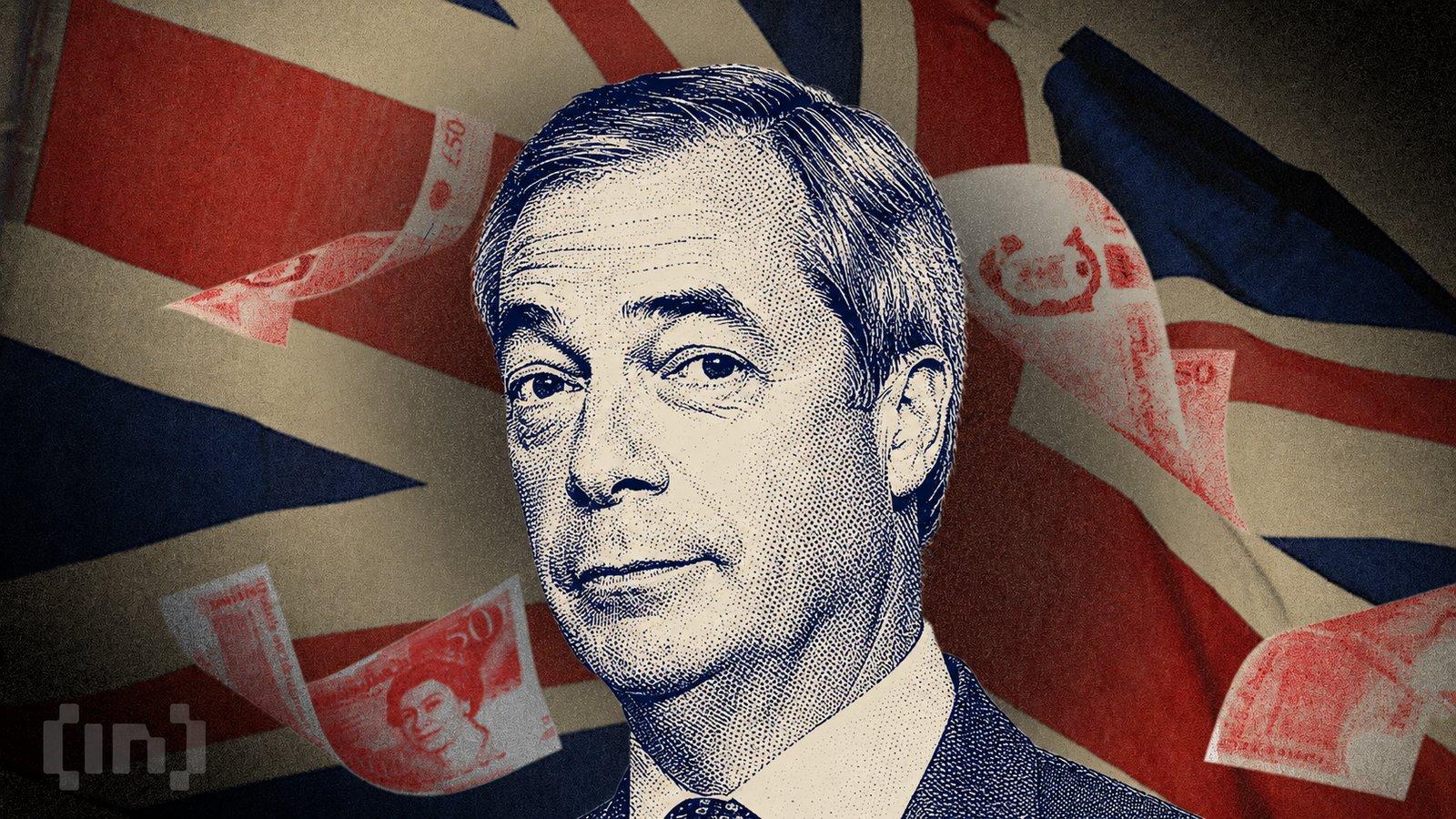
The recent complaint against Nigel Farage over his lobbying activities raises significant questions regarding the intersection of cryptocurrency and political influence. Filed by Labour MP Phil Brickell, the complaint suggests that Farage may have breached UK lobbying standards following substantial donations from billionaire Christopher Harborne, who possesses a 12% stake in Tether’s USDT stablecoin.
This scrutiny is not merely about Farage's actions; it epitomizes broader concerns within the crypto sector about lobbying transparency and the potential for conflicts of interest. The formal complaint triggers an examination by the Parliamentary Commissioner for Standards, Daniel Greenberg, particularly focusing on Farage's private meeting with Bank of England Governor Andrew Bailey in September 2025.
Understanding the Lobbying Rules
The UK Parliament's guidelines explicitly prohibit MPs from lobbying government officials on behalf of recent benefactors within a 12-month timeframe. This prohibition was lengthened from six months in March 2023, following high-profile controversies involving lobbying misconduct.
Farage is already under investigation for a previously undeclared £5 million gift from Harborne, a wealthy figure in the crypto space, raising questions about the ethical implications of his financial ties while advocating for crypto-friendly policies.
Implications for Crypto Policy and Regulation
- Farage's actions could challenge the integrity of government decision-making in crypto regulation.
- The scrutiny of his financial ties may influence regulators' approaches to cryptocurrency policies moving forward, especially as the UK aims to navigate this evolving market.
- Other politicians may face backlash if found to have similar ties, leading to broader calls for stricter lobbying regulations within the crypto sector.
Moreover, the timing of significant donations and Farage’s lobbying efforts raises red flags. His meetings with the Bank of England regarding the digital pound appear suspiciously close to when monetary policies were adjusted, suggesting that his financial interests may have played a role in shaping these discussions.
Looking Ahead: Potential Consequences
This situation has the potential to shake investor confidence within the crypto market, particularly if it leads to stricter regulatory scrutiny. Should Farage be found guilty of lobbying misconduct, it could set a precedent that discourages politically affiliated figures from engaging in the cryptocurrency space. Similarly, the unfolding investigation serves as a reminder of the urgent need for ethical standards and transparency in lobbying practices, especially in an industry already riddled with volatility and uncertainty.