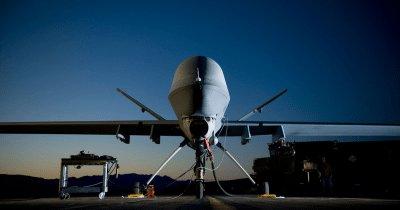
The recent downing of a U.S. MQ-9 Reaper drone by Iran's Islamic Revolutionary Guard Corps (IRGC) has sent shockwaves through the cryptocurrency market, illustrating how geopolitical tensions can quickly transform into financial ramifications. Following the shootdown, Bitcoin plummeted below $73,000, and almost $1 billion in liquidations swept through crypto exchanges, primarily affecting those with leveraged long positions. This incident not only emphasizes the fragility of crypto assets amid global uncertainties but also raises broader questions about their increasing interconnection with traditional financial systems.
Understanding the Impact of Geopolitical Events
This incident is significant for several reasons. Cryptocurrency markets, once thought to be atypical in their reactions, have now shown they are susceptible to geopolitical events, which can lead to rapid price swings and massive liquidations.
- Bitcoin dropped below $73,000 post-incident.
- Approximately $1 billion in liquidations took place across crypto exchanges.
- Most of the liquidated positions were leveraged long bets betting on price increases.
Such moves indicate that traders remain highly exposed, and market sentiment can shift from bullish to bearish in the blink of an eye, impacting prices dramatically.
The Interconnectedness of Crypto and Traditional Finance
Historically, events such as this drone incident have sent shockwaves through both the stock and cryptocurrency markets. The IRGC's actions were reminiscent of past incidents, such as the downing of an RQ-4 Global Hawk in June 2019, which similarly rattled markets. However, the current environment is markedly different; today's crypto markets are far larger and more intertwined with conventional financial markets, making them more vulnerable to these external shocks. As traders react to news, their responses can lead to cascading sell-offs that rapidly destabilize prices.
What Lies Ahead for Investors
As we move forward, investors should closely monitor geopolitical developments, especially in the Middle East, as these incidents may signal deeper trends affecting market volatility. The speed at which markets respond highlights an urgent need for traders and investors to be prepared for rapid shifts in sentiment. Questions remain about the potential for further escalations between the U.S. and Iran and how these tensions will play into larger market dynamics.
This material is for informational purposes only and should not be construed as financial advice.