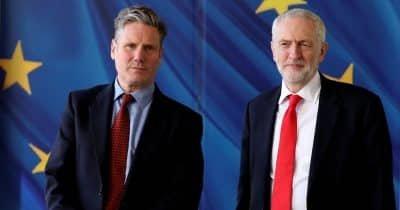
In a notable intersection of sports and politics, UK Prime Minister Keir Starmer has intervened to preserve the integrity of England's match schedule during the 2026 World Cup. By successfully blocking FIFA's proposal to move the kick-off of England's round-of-16 match against Mexico to an earlier time, Starmer has emphasized the importance of competitive fairness within this international sporting event.
Originally scheduled for 18:00 local time, the match's timing was under scrutiny as FIFA considered an earlier start time of 12:00 local time. This potential change was aimed at mitigating the risk of storms disrupting the match in Mexico City. However, as Starmer pointed out, playing at a higher altitude presents significant physiological challenges that could influence the outcomes of such contests.
Understanding Altitude's Impact on Performance
Mexico City, located at an altitude of approximately 2,240 meters, poses unique challenges for teams unfamiliar with such conditions. The oxygen levels at this height can substantially diminish cardiovascular performance a critical factor during high-stakes matches. Starmer's argument reflected a broader concern about fairness, highlighting that an earlier kick-off would disproportionately disadvantage the English team, who require time to acclimatize to the altitude, unlike the Mexican players who regularly train in these conditions.
Legislative Response to Foster Fan Engagement
The Prime Minister's stance did not stop at the match schedule; it extended to legislative measures aimed at maximizing fan engagement. In the wake of his decision, the UK government introduced emergency legislation allowing pubs to extend their operating hours until 05:00. This move demonstrates an effort to cultivate a vibrant atmosphere for fans, ensuring they could enjoy significant matches together.
Implications for Future Sports Governance
This incident raises broader questions about the intersection of sports governance and political influence. Starmer's actions underscore the necessity of recognizing athlete welfare and competitive integrity over logistical nuances favored by organizers. This moment could set a precedent for future events, forcing governing bodies like FIFA to consider the implications of their decisions more seriously or risk political backlash from nations keen on ensuring equitable competition.