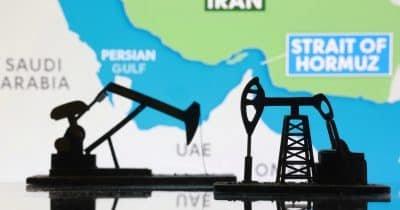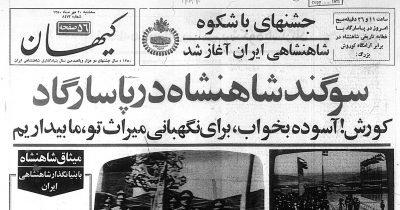
The recent declaration from Iran's hardline Kayhan newspaper, calling for the assassination of U.S. President Donald Trump and Israeli Prime Minister Benjamin Netanyahu, is a marked escalation in the ongoing geopolitical tensions between Iran and the West. This aggressive rhetoric follows the assassination of Iran’s Supreme Leader Ali Khamenei, which Iran attributes to U.S. and Israeli forces at the start of the 2026 Iran war. The situation, characterized by a lack of formal ceasefire despite breaks in direct military action, raises critical questions about the future stability in the region and its implications for global markets.
Significance of the Current Threats
This call for violence suggests a profound shift in Iran's strategic posture, reinforcing its narrative of unyielding retaliation against perceived aggressors. Such extreme rhetoric from a state-affiliated source signals to both domestic and international audiences that Iran may be poised to adopt more aggressive military actions. Here are some critical points to consider:
- The call for assassination reinforces the notion of an escalating tit-for-tat scenario between Iran and its adversaries.
- Market sentiments regarding a possible permanent peace deal between Israel and Iran have dimmed significantly, reflected in low odds of 2% in prediction markets.
- This rhetoric potentially reflects instabilities within Iran's political landscape, which could alter leadership dynamics by the end of 2026.
Implications for Investors and Stakeholders
The implications of these threats extend beyond regional politics; they significantly impact market perceptions and economic stability. Investors need to pay close attention to the military responses from Israel, as any escalation could affect trading conditions in related markets. Additionally, fluctuations in Iran's internal political climate could create further volatility, denoting changes in leadership status and associated power structures.
Overall, the heightened tensions may lead to a reevaluation of risk in both Middle Eastern geopolitics and global financial markets. Stakeholders who have exposure to these regions should prepare for potential upheavals that could arise from rapid alterations in the military and political landscapes.
Looking Ahead: Key Developments to Monitor
Moving forward, significant attention should be paid to:
- Israeli military responses that may trigger additional military actions.
- Potential shifts in Iran’s internal political structure impacting its leadership.
- Any diplomatic initiatives or escalations that could influence the prevailing geopolitical climate.
In conclusion, as the situation continues to evolve, it remains crucial for investors and political analysts alike to stay informed and agile in their strategies.
This material is for informational purposes only and does not constitute financial advice.