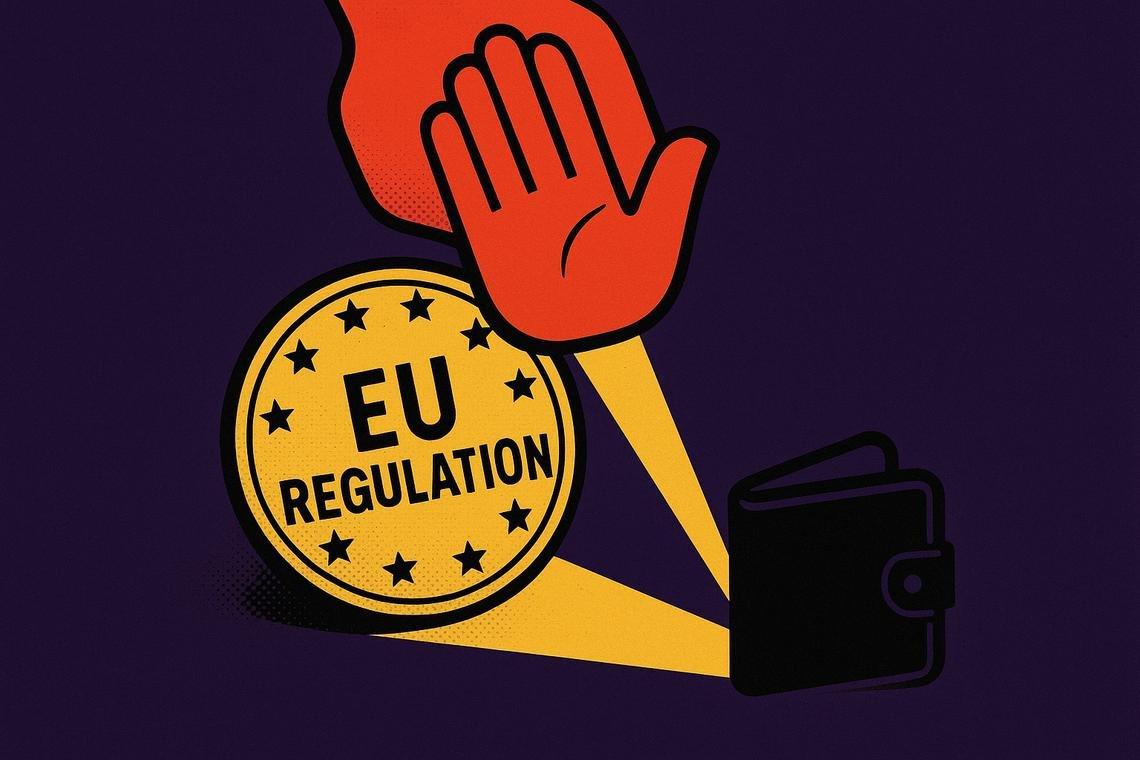
The recent withdrawal trends of EU users from Binance have sparked meaningful discussions about the effectiveness of the MiCA (Markets in Crypto-Assets) regulation. Following Binance's decision to suspend services in the EU after withdrawing its MiCA license application in Greece, data indicates that a staggering 70% of the funds withdrawn were moved into self-custodied wallets rather than compliant, licensed platforms. This trend not only challenges the expectations surrounding MiCA but also raises critical questions about user safety and regulatory efficacy.
While regulators anticipated that MiCA would guide users towards licensed and compliant platforms, the reality has been quite different. Instead, the data exhibits a significant migration towards self-custody options, which lack the same level of regulatory oversight concerning Anti-Money Laundering (AML) and Know Your Customer (KYC) checks. This indicates that the intended protective features of MiCA may not be reaching their targets. Binance's co-CEO, Richard Teng, highlighted this discrepancy, suggesting that the regulatory framework might inadvertently be amplifying user risks instead of minimizing them.
The Paradox of Regulation and User Choice
This situation exemplifies a broader paradox in regulatory practices: the very regulations designed to protect users can, in some instances, drive them into less secure alternatives. The move to self-custodied wallets, where users have complete control over their assets without regulatory guidance, poses inherent risks such as fraud and loss of funds. If a comprehensive regulatory framework like MiCA pushes users towards less-regulated environments, it suggests that the framework may require reevaluation and adjustment to better serve its purpose.
Moreover, this trend of users opting for self-custody underscores a shift in user behavior within the crypto space. As users become more aware of the limitations of regulatory frameworks, they may favor autonomy over oversight. This shift can have long-term implications for how regulators develop rules in the future, potentially necessitating more robust engagement with user behaviors and preferences.
Implications for Market Dynamics
The implications for the crypto market are profound. As Binance currently continues its aggressive expansion strategy across Asia, serving about 323 million users globally, EU regulations could inadvertently hinder its user retention efforts in Europe. If European users continue transferring their funds into self-custody, it not only represents a setback for Binance but could also lead to a decline in trust toward regulatory bodies that fail to protect users adequately.
As MiCA aims to be one of the most comprehensive crypto regulatory frameworks, the outcomes observed may serve as a crucial learning opportunity. Should the trend continue, regulators may need to adapt strategies that encourage safer, compliant storage of assets for users while addressing the inherent risks associated with self-custody.
This analysis is for informational purposes only and is not financial advice.