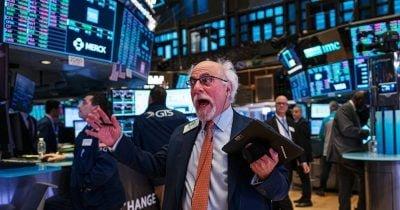
The recent surge in the Roundhill Meme Stock ETF, named MEME, by 35% year-to-date has raised eyebrows within the investment community. On the surface, this seems like a bullish indicator; however, a closer examination reveals that the majority of investors are still grappling with losses. As of July 9, 2026, the ETF closed at $8.41, which is approximately 15% below its October 2025 launch price, highlighting an essential paradox in this market.
Such an occurrence has pertinent implications for retail investors, particularly those who entered the market during periods of exuberant speculation. Despite the headline percentage gains, many will find themselves still awaiting a break-even point on their investments, thus illuminating the nature of market timing and emotional trading trends.
The Resurgence and Its Pitfalls
The MEME ETF’s re-launch was met with significant fanfare after its previous iteration failed in particular, it plummeted by 57% from its initial offering price, which led Roundhill to shut it down in December 2023. Company CEO Dave Mazza cited rising interest rates and dwindling retail enthusiasm as key factors in the previous fund's decline. The recent re-launch on October 8, 2025, came at a time when renewed retail speculation seemed plausible, which initially seemed to support the fund's recovery. Yet, the reality is that these gains primarily compensate for earlier losses rather than translating into overall profitability.
The underlying structure of the MEME ETF which holds around 10 stocks, primarily driven by retail interest metrics rather than traditional fundamentals further amplifies the risks. The ETF's portfolio turns over approximately five times per year, creating an environment where trading costs and expense ratios significantly affect investor returns, particularly for those trying to time the market.
Implications for Retail Traders
For retail traders seeking exposure to the ever-volatile meme stock sector, the MEME ETF presents a double-edged sword. While it packages the potential of meme stocks into a single investment vehicle, the inherent risks cannot be overstated. Investors must understand that such ETFs might lead to significant losses, especially if they engage in a purchase during hype-driven surges without a clear exit strategy.
Moreover, the MEME ETF’s modest asset base of $20 million highlights its niche nature, indicating that this fund predominantly caters to retail investors rather than attracting institutional interest. Given the historical volatility of meme stocks catalyzed by events like the GameStop and AMC short squeezes, the behavior of retail investors can often lead to unpredictable shifts in market dynamics. This volatility serves as both an opportunity and a risk, emphasizing the need for caution and rigorous analysis.
This article is informational and should not be considered financial advice.