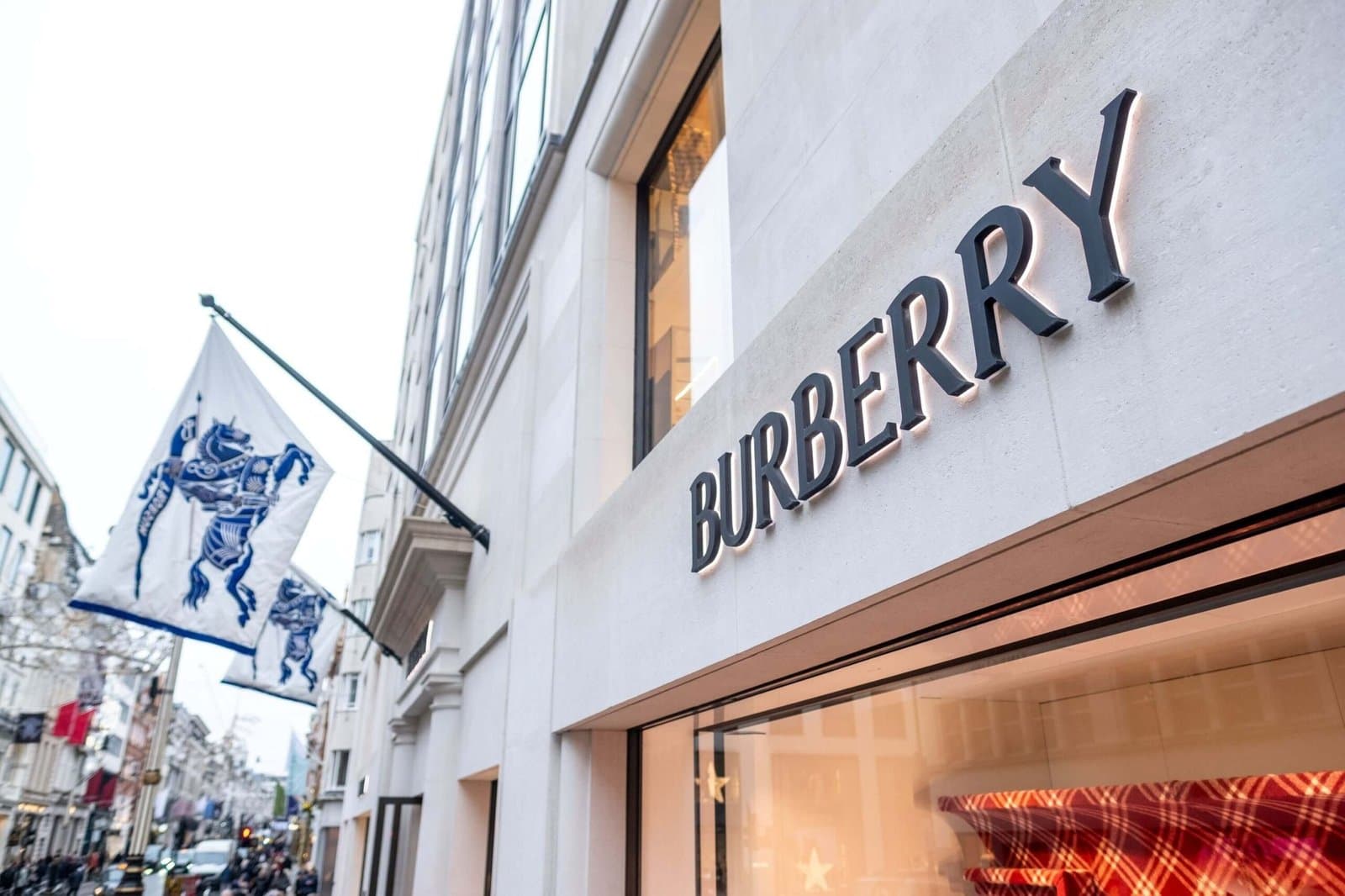
Burberry reported a 5% rise in Q1 comparable retail sales, reaching £455 million. While this figure aligned with forecasts, it fell short of analyst expectations, causing the stock to drop nearly 6% in London trading.
The Americas emerged as a bright spot, showcasing a solid 12% growth driven by strong local demand. Greater China also performed admirably, with a 9% increase, buoyed by the rising purchasing power of Gen-Z consumers. However, the EMEIA region faltered, experiencing a 3% decline attributed to ongoing conflicts in the Middle East, which significantly impacted tourist spending.
Analysts had estimated a slightly higher growth of 5.22%, highlighting a notable gap that spooked investors, pushing Burberry's stock to a low of approximately 1,052p. CEO Joshua Schulman noted that all product divisions, including Womenswear, Menswear, Accessories, and Childrenswear, returned to growth for the first time in three years, with outerwear leading the recovery.
Despite the challenges, Burberry raised its wholesale guidance for H1 FY27 to high-single-digit growth, maintaining its full-year revenue targets. The company's strategy includes projected annual cost savings of £100 million by FY27, with £80 million already realized in FY26. However, management expressed concerns over the uncertain geopolitical and macroeconomic environment and its potential effects on consumer confidence.
Since January, Burberry's stock has decreased from a high of 1,377p to around 1,063p, currently below both the 50-day and 100-day EMAs. This creates a descending triangle pattern on the charts, with key support identified at 1,025p.
This material is for informational purposes only and should not be construed as financial advice.