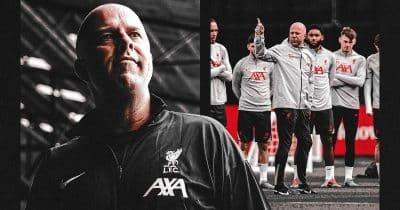
The recent developments surrounding Arne Slot's potential appointment as the head coach of the Netherlands national football team could have far-reaching implications for both sports and the burgeoning fan token economy. Slot, a seasoned Dutch football manager, previously faced challenges at Liverpool after leading Feyenoord to domestic glory, making him a compelling candidate for the national team role.
The Coaching Landscape and Market Reactions
With Ronald Koeman's resignation following a disappointing exit from the 2026 World Cup, the KNVB is in search of a capable successor. Slot emerges as the frontrunner, recognized for his prior successes and attracting significant bookmaker attention. This situation underscores a key tension within modern football management: brief success can quickly fade into disappointment, emphasizing the volatility of managerial roles. Such instability not only affects teams but ripples through related markets, including betting and fan tokens.
Fan Tokens and Emotional Stakeholders
The intersection of football and cryptocurrency has been largely driven by the fan token economy, with platforms like Chiliz and Socios providing fans a stake in club governance and a stake in how teams perform. When the Dutch team exited the World Cup, it was a clear stress event that reverberated through betting markets. While the Netherlands currently lacks a dedicated fan token, the broader sentiment attached to major footballing nations significantly impacts market activity. As seen with platforms such as Polymarket, coaching decisions can represent pivotal occasions for speculation, with the hiring of a national team manager being precisely the type of event that could invigorate prediction markets.
The Evolving Nature of Sports Sponsorship
The past few years have seen a transformational shift in sports sponsorship, wherein clubs eagerly promoted cryptocurrency entities on their kits. However, the subsequent market corrections have forced many sponsors to reevaluate their commitments, highlighting the fragility of crypto-backed endorsements. With fan tokens now integrating deeper into club governance albeit at a modest level there is potential for growth once more stable market conditions return. Furthermore, the crypto landscape remains ripe for experimentation, with ongoing discussions around tokenizing media rights, contracts, and transfer fees, which could reshape the financial dynamics of sports.
As stakeholders watch the outcome of Slot's candidacy unfold, the broader implications for the cryptocurrency landscape, especially in terms of fan engagement and market speculation, cannot be understated. It raises pertinent questions about the sustainability of fan tokens and their role in fostering genuine fan involvement in club affairs.