Polymarket is making formidable strides to re-establish its presence in the U.S. market, appealing to American users with a fresh approach to margin trading. By filing for a futures commission merchant license through its U.S. affiliate, Coming Home GBA LLC, the platform signifies its intent to navigate the regulatory landscape rather than avoid it, a lesson learned from its past. This filing marks a pivotal first step in reintroducing margin trading to U.S. users, aligning with the growing momentum in the prediction markets sector, predicted to hit a staggering $240 billion by 2026.
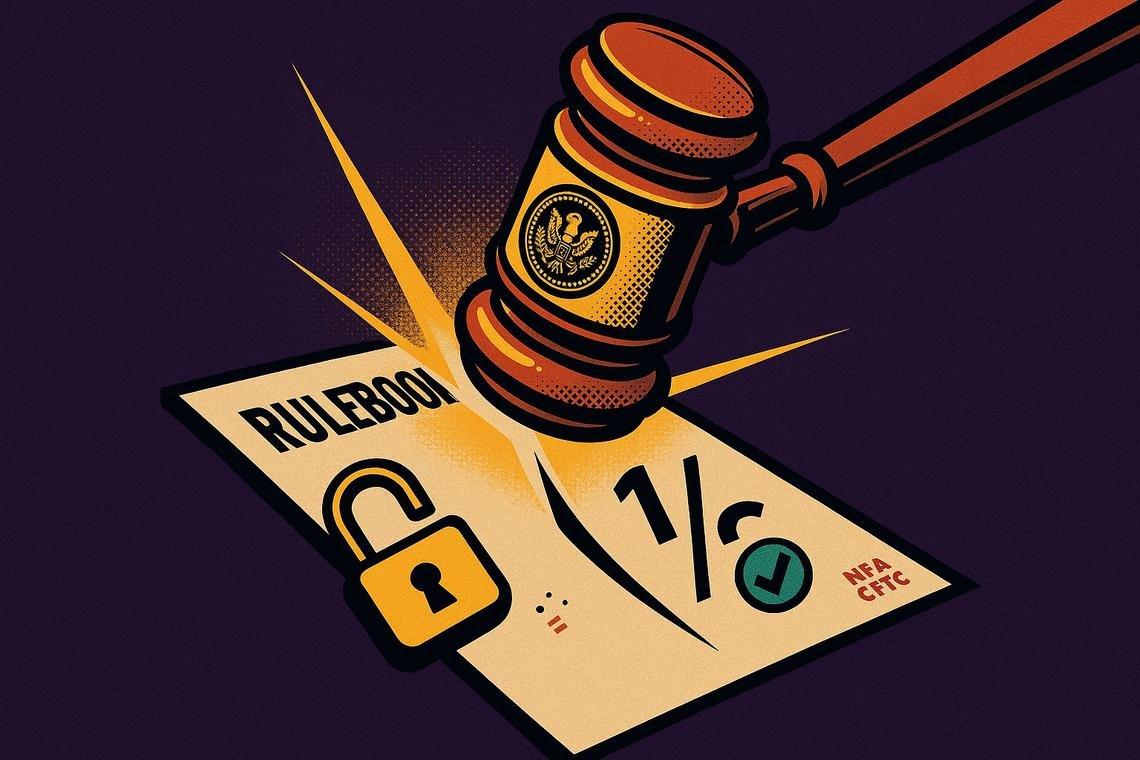
The journey to re-entry is layered, as Polymarket not only seeks approval from the National Futures Association (NFA) but also requires necessary changes from the Commodity Futures Trading Commission (CFTC) to its rulebook. Currently, the restrictions prevent users from engaging in trades without full collateral. This shift towards margin trading allowing users to leverage their capital could transform the dynamics of prediction markets, creating a more vibrant trading environment.
The Context of Regulatory Changes
Polymarket's prior encounter with regulators ended in a $1.4 million settlement with the CFTC due to allegations of offering unregistered derivatives, forcing the platform to cease operations in the U.S. This settlement not only stifled Polymarket’s innovation but also highlighted the fragile nature of regulatory compliance in the crypto space. By taking concrete steps to secure a license and inviting further scrutiny, Polymarket aims to set a precedent for future crypto firms trying to operate within U.S. laws.
Additionally, the rapid growth of the prediction markets sector, which totaled $51 billion in volume in 2025, underscores the competitive stakes involved. With rival platforms like Kalshi already gaining regulatory clearance, Polymarket's success is crucial not just for its revival but for the entire ecosystem. The anticipated volumes present an excellent opportunity for investors, hinting at a marketplace ripe for exploration and speculation.
What's Next for Polymarket and Investors?
If Polymarket successfully navigates the inevitable regulatory hurdles, it could redefine user engagement in prediction markets. Users could participate in more diversified trading strategies, lending them a sense of empowerment in managing their investments. The potential influx of volume and user engagement following the implementation of margin trading could markedly enhance liquidity.
As the space evolves, investors should monitor not only Polymarket's progress but also the broader implications of buoyant trading environments for market sentiment and investor confidence. The renewed focus on margin trading carries inherent risks, which necessitate a cautious yet opportunistic approach.
This material is informational and not financial advice.