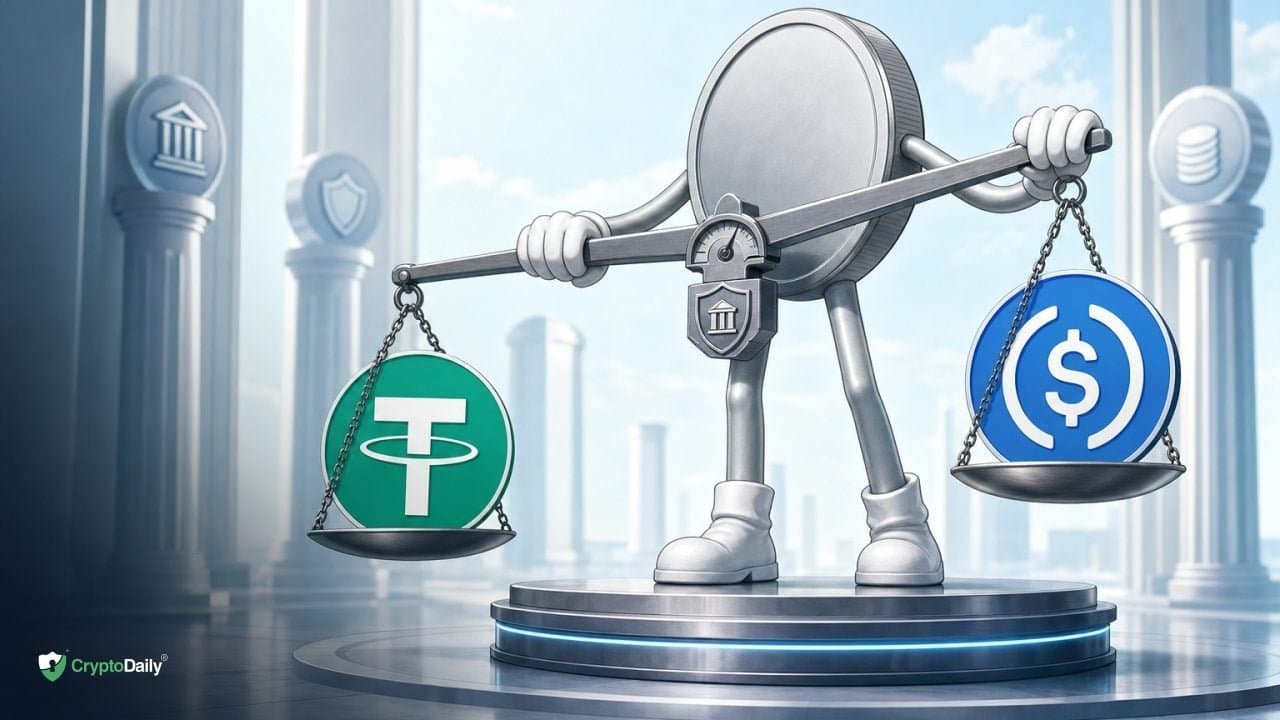
Both USDT and USDC claim 1:1 backing, but the gap between them shows up in the details, not the headline number. Both issuers hold primarily cash and short-duration U.S. Treasuries as collateral. Short duration is the key word here: it limits interest-rate exposure if rates move sharply, which matters when billions in redemptions can hit in a single day.
Tether publishes reserve compositions through its transparency portal, with breakdowns of Treasury holdings and other assets. Circle does the same for USDC, releasing monthly attestations from independent auditors. Same asset class, different reporting cadence. That difference in disclosure frequency is exactly what separates the two products for compliance-heavy users.
On fees, neither issuer controls what you pay. Gas costs depend entirely on the network: Ethereum mainnet remains expensive, Tron stays dirt cheap for USDT flows in emerging markets, and Solana or L2s like Base and Arbitrum have made low-cost transfers the norm for both coins. Teams that run routine payroll or vendor payments on-chain increasingly standardize on one cheap chain, then bridge to Ethereum only when a counterparty requires it.
USDT dominates volume in emerging-market corridors and fast settlement routes where liquidity depth matters more than audit trails. USDC has become the default for businesses that need clean fiat ramps, structured compliance documentation, and banking relationships that hold up under scrutiny. Traders typically use whichever coin their venues price tighter. Businesses default to whichever product their accountants and banks can actually process.
Three questions worth asking about any stablecoin reserve: how long is the Treasury duration, where are the custodial bank accounts geographically, and what other liabilities sit on the issuer's balance sheet beyond circulating tokens. Concentrated banking is a single point of failure. It was true in 2023 when Silicon Valley Bank collapsed and briefly knocked USDC off its peg, and the lesson hasn't aged out.
Blacklist controls are another practical risk most users ignore until they're affected. Both issuers can freeze addresses on-chain, usually at law enforcement request. If your counterparty gets flagged, your funds can become illiquid with no warning. That operational reality matters more for high-volume businesses than for casual holders.
This article is for informational purposes only and does not constitute financial advice. Always do your own research before making any investment or financial decision.