US Treasury prices have climbed after oil prices plunged nearly 40% from their March highs, signaling a temporary easing of inflation concerns tied to geopolitical tensions. Brent crude retreated from almost $118 per barrel to about $72, easing pressure on inflation forecasts and allowing bond yields to drop from recent peaks.
Sharp Oil Decline Eases Inflation Fears
The significant drop in oil prices followed a fragile ceasefire between the US and Iran-backed forces, which helped calm markets wary of disruptions near the Strait of Hormuz a key artery for global oil supply. The 10-year Treasury yield, which had surged to 4.6% amid heightened inflation worries during escalations, has retreated in line with the oil price dip.
Markets Reflect Hesitant Optimism Amid Renewed Tensions
The S&P 500 has surprisingly advanced 17.3% since the end of March, despite ongoing conflict among multiple nations. However, this fragile peace has seen setbacks: after initial ceasefires in April and June, violence flared again in July, sending oil prices back up to $82 per barrel. This volatility shows the ongoing risk that supply disruptions could return, pushing inflation and borrowing costs higher.
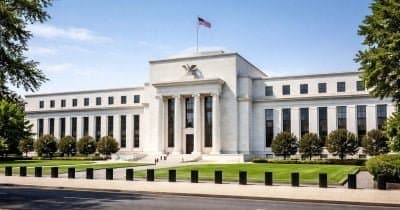
The evolving relationship between oil prices, Treasury yields, and risk assets like cryptocurrencies hinges on inflation expectations. Lower oil costs reduce inflation fears, potentially prompting the Federal Reserve to ease interest rates, which tends to benefit volatile assets such as Bitcoin. Conversely, renewed conflict could drive yields back toward 4.6% or higher, signaling inflation risks and shaking investor confidence.
Tracking Brent crude remains essential as its fluctuations are a barometer for the wider economic outlook and market sentiment. Investors remain cautious, aware that any serious threat to the Strait of Hormuz would likely trigger sharp price spikes and market turbulence.
This material is for informational purposes and does not constitute financial advice.