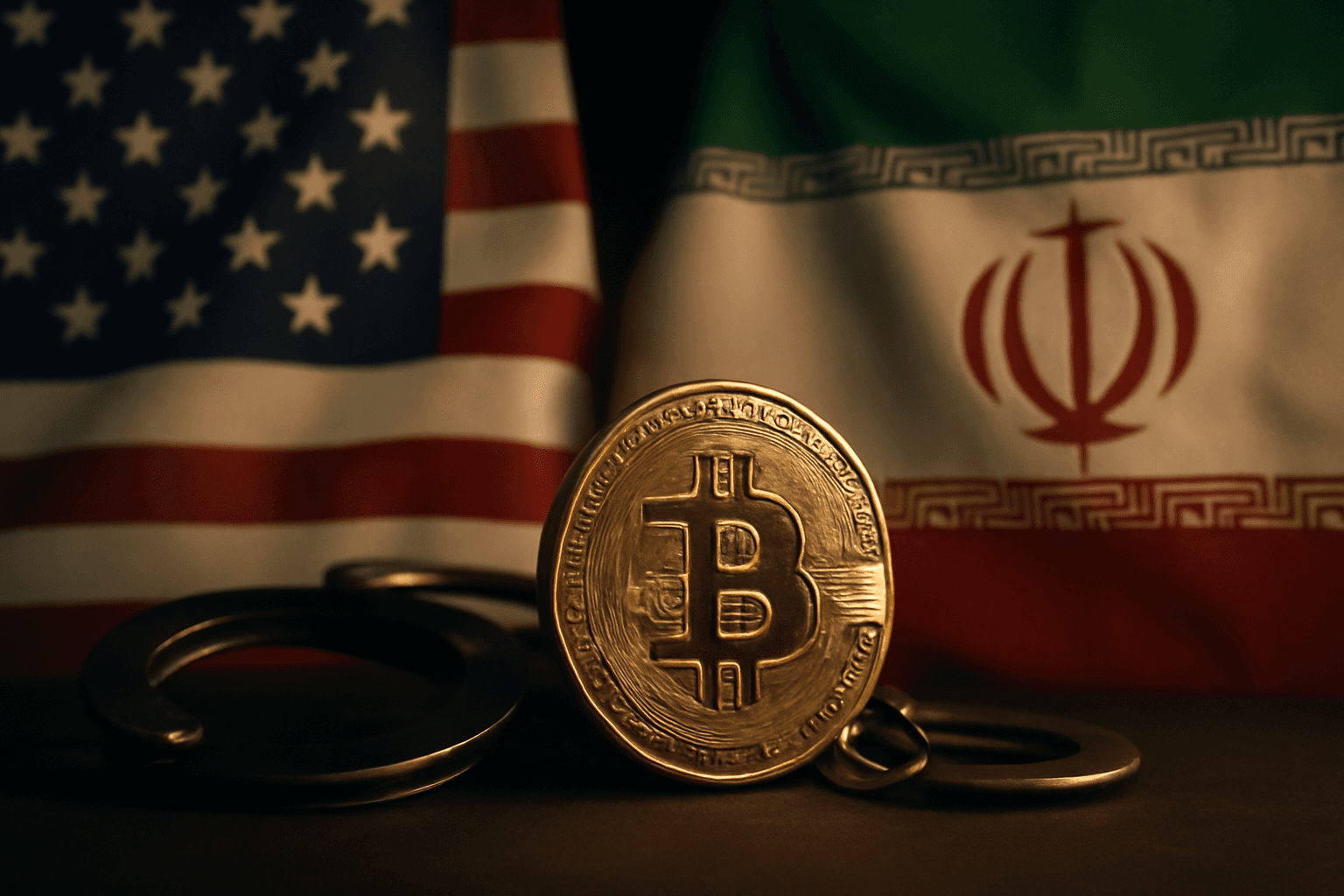
Two Iranian maritime insurance firms linked to the Islamic Revolutionary Guard Corps were sanctioned by the US Treasury on July 29 for allegedly using Bitcoin payments to sidestep sanctions. HormuzSafe Marine Services Authority and Persian Gulf Marine Insurance Company were added to the Specially Designated Nationals list under Executive Order 13902, accused of profiting through a scheme forcing commercial vessels to buy insurance before traversing the Strait of Hormuz.
The Treasury labeled HormuzSafe as an IRGC-backed system that accepts digital assets like Bitcoin to generate revenue and tighten Tehran's grip on regional shipping. Despite these serious claims, the public announcement did not include concrete blockchain evidence such as Bitcoin addresses or transaction details. This leaves the allegations unverified in public records.
HormuzSafe reportedly began promoting maritime insurance payable in Bitcoin earlier in the year, offering digital policies to ships operating in the controversial strait. The sanctions also targeted eight shipping companies and vessels involved in Iranian petroleum transport activities.
This move follows wider tensions around crypto use in sanctioned regimes, highlighting ongoing challenges in tracking digital asset flows. Similar to growing crypto market dynamics seen with tokens like Cardano, which recently bounced back amid whale activity, the crypto space remains a complex battleground for regulatory enforcement Cardano recovers toward $0.18 as whale activity intensifies.
This content is for informational purposes only and does not constitute financial advice.