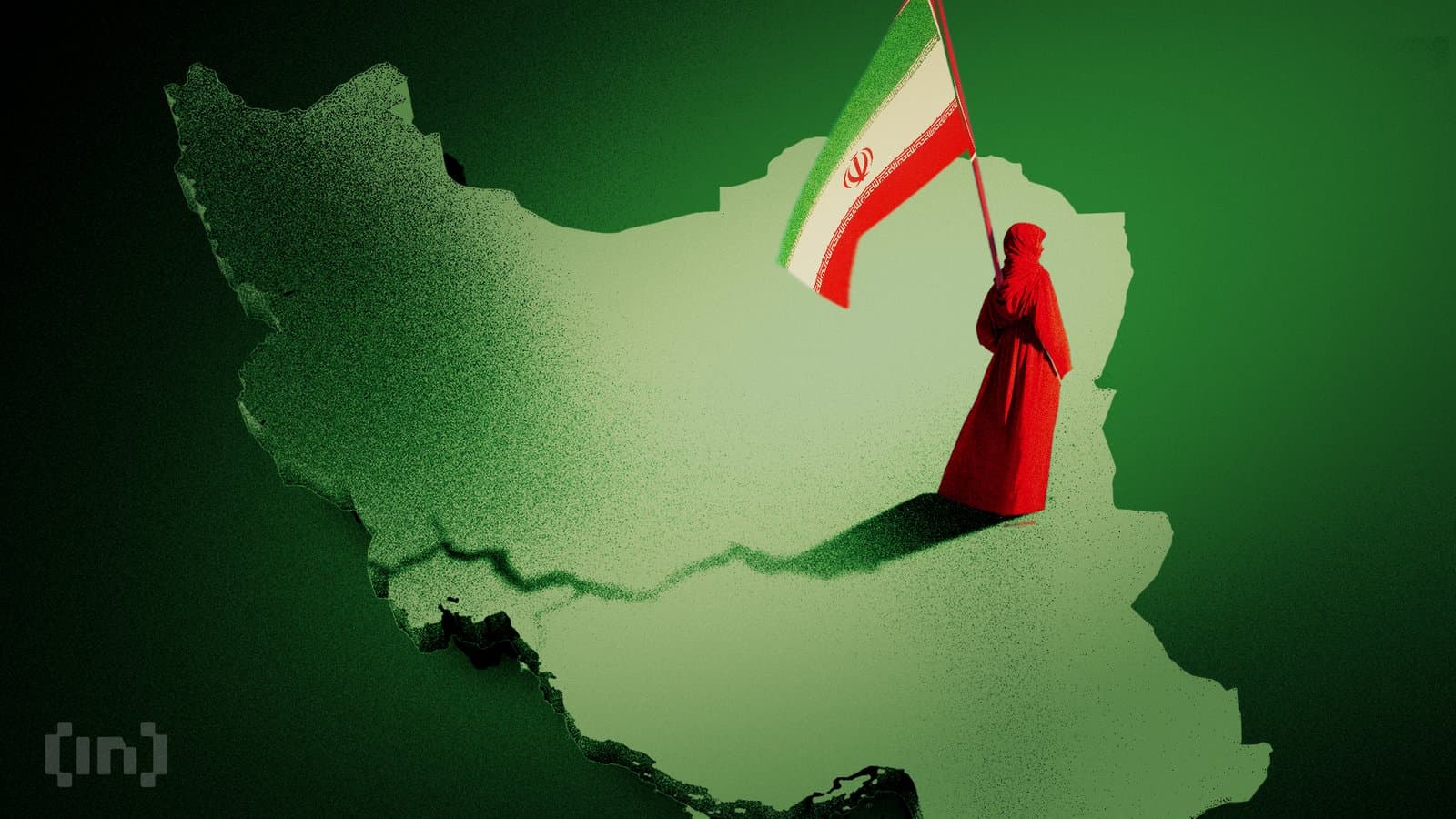
"The regime is desperate for cash," Treasury Secretary Scott Bessent declared as the US Treasury’s Office of Foreign Assets Control targeted two Iranian companies allegedly involved in an extortion racket against vessels navigating the Strait of Hormuz. The Persian Gulf Marine Insurance Company and HormuzSafe Marine Services Authority, both backed by the IRGC, stand accused of forcing commercial ships to purchase maritime insurance policies under duress, generating revenue by insuring risks that Iran itself allegedly orchestrates.
Launched in April, the scheme reportedly charges tankers a transit fee starting at about $1 per barrel, a tactic designed to compensate for lost income after US military actions like Operation Epic Fury. These companies operate under the radar by accepting payments in Bitcoin and other cryptocurrencies as part of Tehran’s strategy to sidestep Western sanctions. HormuzSafe not only provides insurance but also oversees traffic control, security, and emergency response for the vessels passing through this critical shipping lane.
OFAC’s designation, citing Executive Order 13902, comes alongside sanctions on eight shipping companies and the freezing of eight oil tankers transporting Iranian crude oil, registered in Hong Kong, the Marshall Islands, and China. This crackdown follows previous sanctions against the IRGC-backed Persian Gulf Strait Authority announced in May and reflects a broader US push to disrupt Iran’s reliance on shadow fleets.
The move highlights the growing role of crypto assets in state-backed financial schemes, echoing recent actions such as the Treasury’s targeting of cryptocurrency wallets linked to Iran’s central bank. As Tehran intensifies the use of digital currencies to avoid sanctions, enforcement agencies ramp up their efforts, adding layers of complexity to the already fraught geopolitics of the Persian Gulf.
This content is for informational purposes and does not constitute financial advice.